Breckon’s story: facing leukemia with courage, twice
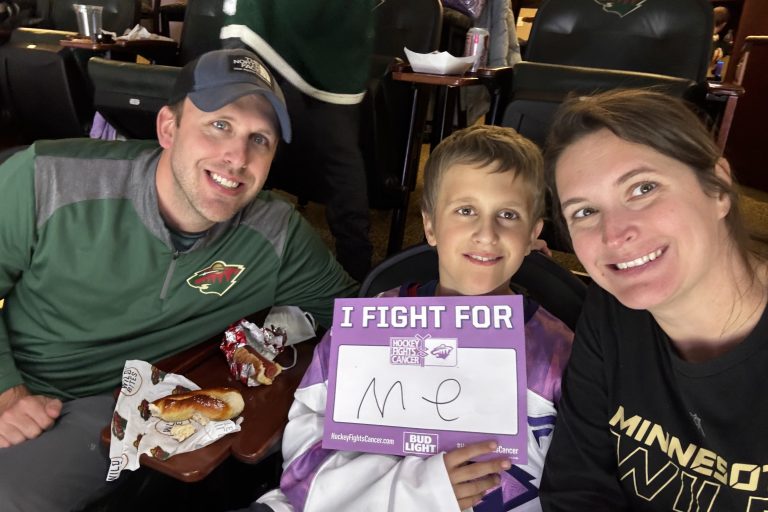
Left to right: Kyle, Breckon's father; Breckon; Becca, Breckon's mother.
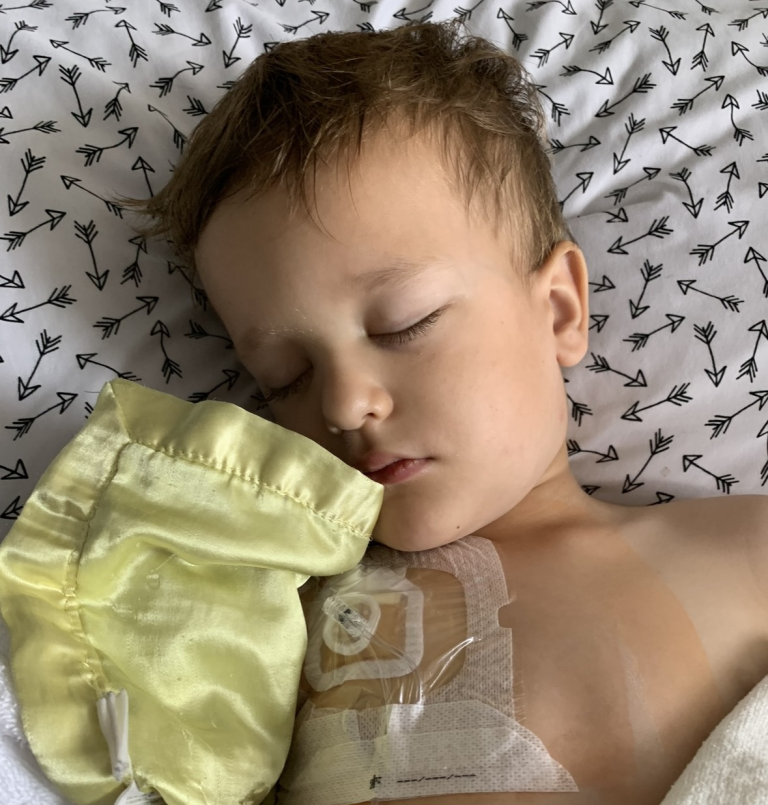
Breckon is a smart and funny 8-year-old with a love for hockey and baseball. But in June 2020, Breckon’s life — and the lives of his family — changed in an instant. After days of fever and fatigue, a visit to the Children’s Minnesota emergency department revealed a diagnosis no family ever wants to hear: leukemia.
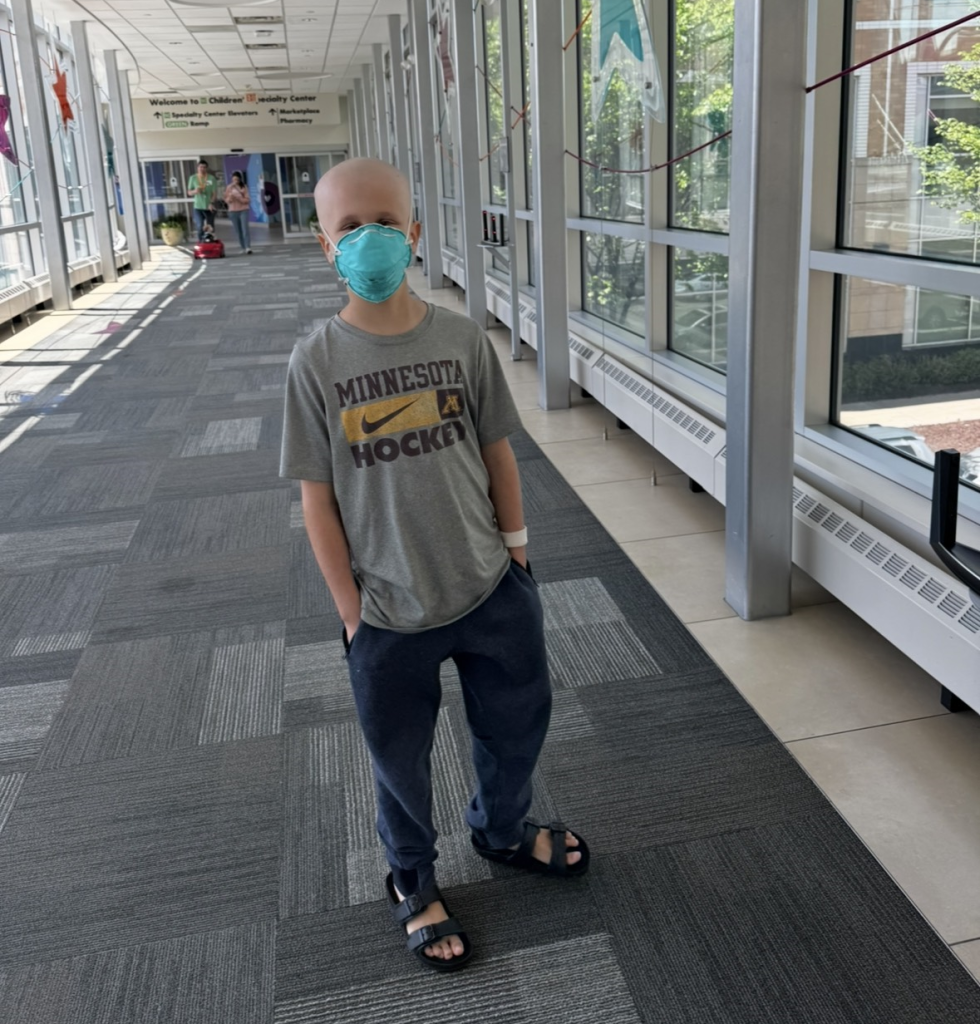
After bravely going through more than two years of treatment, Breckon was finally able to enjoy life off treatment.
For the next couple years, he thrived — playing hockey with his twin brother Owen and living life to the fullest.
Leukemia returns
In March 2025, his care team was ready to move Breckon to Children’s Minnesota’s cancer survivor program. But just weeks later, during a family vacation, Breckon began having mild chest pain and fatigue. Tests confirmed the family’s worst fear: the leukemia had returned.
“When you are told your child has cancer, it is overwhelming and heartbreaking. When you are told they have cancer again, it is truly devastating. We have been through so much already, why again,” said Becca, Breckon’s mom. “When a child is diagnosed with cancer, it’s a diagnosis for the whole family. Siblings are affected. Grandparents are affected. You truly need a village to survive this.”
Relapsed leukemia treatment
Breckon had more chemotherapy and received what’s called CAR-T cell therapy. It’s a treatment that trains Breckon’s own immune cells to find and destroy the cancer cells. Thankfully, it appears that the therapy is working. Tests are not finding any cancer cells. However, the CAR-T cells need to stick around in the body for at least one year for the highest chance of long-term remission. Unfortunately, the CAR-T cells only lasted 3 months for Breckon. This means he is now in the process of receiving a re-infusion of CAR-T cells in hopes they will provide a longer therapeutic benefit.
His care team is watching closely and hoping the cancer stays away, and CAR-T can be the final therapy he needs.
Through this journey, Breckon’s strength and resilience has inspired those around him.
“If we’re overwhelmed and defeated at the end of the day, we just look at him,” Becca said. “He never lets [leukemia] get him down.”
Minnesota Wild Hockey Fights Cancer
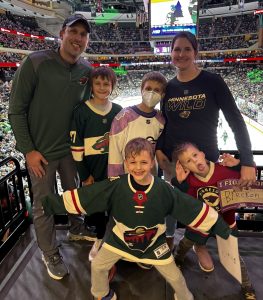
The Minnesota Wild featured Breckon and his family during its Hockey Fights Cancer game in November. Breckon was the Flag Bearer during the pre-game ceremony, and his twin brother Owen and younger brother Ethan got to be Blue Line Buddies and stand alongside Wild players during the National Anthem!
When your child’s head pain interrupts school, activities or family time, you want to know what is wrong and how you can help. Migraines in children can be painful and...
In this role, Pratt will provide leadership and oversight for undergraduate medical education, graduate medical education and health professional education programs across the system....