
This blog was medically reviewed by Alex Coyne, physician assistant in the ear, nose, throat & facial plastic surgery program at Children’s Minnesota.
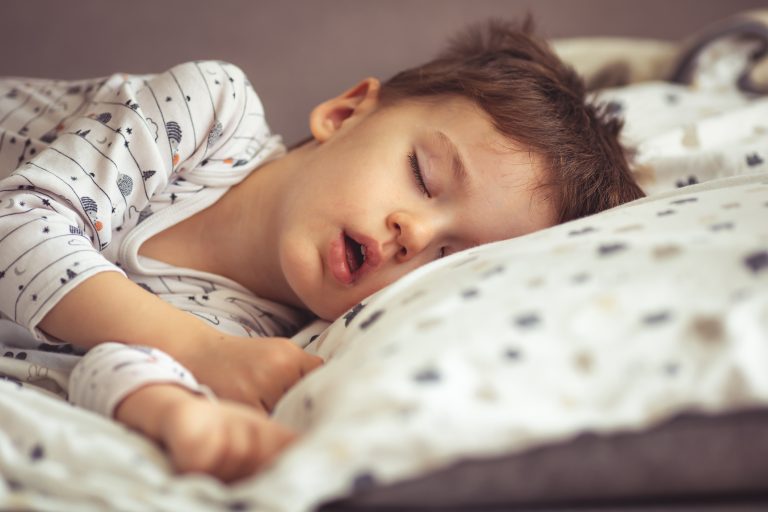
Snoring in children can be normal but if it’s getting in the way of a good night’s sleep, it might be something worth talking to a medical professional about.
Light snoring is common and often harmless, but if your child is snoring loudly and persistently, it could be related to some other sleep disorders like sleep apnea. Keep reading to learn more about childhood snoring and when to seek help.
Learn more about the ear, nose, throat & facial plastic surgery program at Children’s Minnesota.
Is it normal for babies and toddlers to snore?
Occasional baby or toddler snoring is normal, especially if it’s due to a cold or immunologic development. For colds, congestion can disrupt airflow and cause toddler and baby snoring just like in adults. As for immunologic development, this starts from before baby is born to about five years of age and is when our children’s bodies are working to build an adaptative immune system instead of an innate one or relying on mom’s antibodies. Immunologic development can mean enlarged tonsils or adenoids that temporarily obstruct the airway and cause snoring.
Now, is it normal for babies to snore loudly and consistently? This is definitely not as common as snoring in babies and toddlers should be softer and quieter. If your child is snoring loudly, frequently, and sound like they’re gasping for air, this might be a signal for a more serious medical condition that should be checked by a pediatrician or ear, nose and throat (ENT) specialist.
How common is childhood snoring?
Childhood snoring is quite common with about 1 in 10 kids snoring regularly, and up to 20% of kids will snore at some point. To know if the snoring is normal or is caused by something else, it is important to look at the frequency, consistency and any other symptoms that may also be present with the snoring.
What causes snoring in kids
Why do kids snore? Snoring happens when the flow of air through your child’s nose or throat is partially blocked during sleep. Common reasons for snoring include colds, seasonal allergies and enlarged tonsils. These issues can temporarily narrow the airway and make it harder for your child to breathe quietly at night. While most causes are harmless and go away once your child feels better, it’s important to know that, in rare cases, persistent snoring may be a sign of sleep apnea or another medical condition that should be looked at by a medical professional. See below for a full list of causes for snoring in kids.
- Common cold.
- Nasal congestion.
- Seasonal allergies.
- Enlarged tonsils.
- Enlarged adenoid.
- Obesity.
- Sleep apnea.
Schedule a consultation with our experienced pediatric ENT team to ensure your child gets the specialized care they need for snoring.
When should I worry about my child’s snoring?
If you have a 2-year-old snoring or a 3-year-old snoring, it’s normal for parents to question if snoring at this age is normal and if you should be concerned. The most important thing to consider is if the snoring is impacting your child’s sleep quality and has it been occurring consistently. If you’re noticing both of these symptoms, consider getting your child’s snoring assessed.
What does “normal” snoring sound like, and what should you listen for?
Although it is normal for kids to snore, it’s still important to know the difference between what normal snoring sounds like versus snoring that might have a deeper cause. For normal snoring, it’ll sound like a consistent purring or a quiet vibration. Now when to worry about childhood or toddler snoring, parents should look for the following signs.
- Pause in breathing.
- Choking or gasping for air.
- Persistent, loud snoring.
Other symptoms to watch for
To get a clearer picture as to if you should be concerned about your toddler or child’s snoring, it’s also important to consider symptoms outside of how their snoring sounds. These symptoms can include any of the following listed below.
- Daytime sleepiness.
- Restless sleeping (e.g., frequent tossing and turning).
- Waking up tired even though they’re getting enough hours of sleep.
- Behavioral issues.
- Mouth breathing at night.
When to see your provider
If your child has been snoring consistently for a couple of weeks, especially if the snoring is loud, persistent and is accompanied by any of the other concerning symptoms, getting an evaluation by an ENT specialist can help with finding a solution and treatment plan.
Specialized pediatric ENT care is designed to address the unique needs of kids, ensuring that the care is straightforward and comfortable while also effectively determining the cause of snoring. Whether your child’s snoring is caused by a cold or something more complicated like sleep apnea or enlarged tonsils, an early assessment can help provide peace of mind and support your child’s overall health.
How the experts at Children’s Minnesota can help
While childhood snoring is common, it’s important to recognize signs that it may be more than a child or toddler snoring when sick or due to seasonal allergies. If you’re concerned that your child’s snoring might be due to something more serious, or your child is showing any of the concerning signs for snoring, schedule a consultation with the ENT team at Children’s Minnesota for expert, personalized care.
Learn more about expert ear, nose and throat care at Children’s Minnesota.