
At Children’s Minnesota, our foundational value is “kids first.” When we hire, we hire kid expertise. When we invest our dollars, we invest in environments built to serve kids. When we enter a clinic room, we connect with the child’s eyes before anyone else’s. Our children are first, because they are next. They are our future.
What would it look like if our country did the same – in our neighborhoods, our schools and the halls of our government?
If we put kids first, we’d make sure they feel safe and are protected from trauma. We know so much now about childhood trauma and its impact on developmental, physical, cognitive and emotional health. And its impact on educational, social and economic outcomes – for each child and for the society they contribute to. But too many children are witnessing trauma routinely now, especially those affected by poverty and racial discrimination.
This year, many kids have been frightened to go to school for fear their parents will be gone when they get home. They draw pictures of the fear and ask questions about who will care for them. In the moment, this trauma shows up as developmental regression, bed wetting, refusing to sleep alone for fear that what they have seen in the street and on the news will happen in their home, in their bedroom. Later, it may show up as difficulty with relationships, missed school, chronic disease or unemployment.
If we put kids first, we’d support their families. But many families in Minnesota haven’t been buying groceries. They’ve avoided checkups, getting vaccinations or filling prescriptions. They’ve forgone treatments for their kids because they are afraid to leave their houses – immigrants and citizens alike. We have had children in our emergency departments, and our operating rooms and our intensive care units, wrapped in the arms of neighbors or teachers or strangers hoping to comfort them because their parents aren’t safe outside.
If we put kids first, we’d invest in their health care. We’d invest at least as much in kids’ health as we invest in adults’ health. But we don’t. Children make up 44% of Medicaid enrollees in Minnesota, despite being 24% of the state’s overall population. But our Medicaid program reimburses about 68 cents on the dollar of the cost to care for a child. Would that be the case if kids were first?
If we put kids first, we would protect them against infectious diseases. I, like many pediatricians, recall when community infections routinely took the lives of children in the U.S. Science taught us how to prevent such horrific loss, and we slept soundly at night in that security. But now we are denying the science. And needlessly losing our children. It is happening again on our watch. While miraculous CRISPR technology is curing monogenic diseases and cellular therapies are offering hope to those with malignancies, we are losing children to measles, influenza and RSV. We are the adults. Children look to us, and we owe them better.
If we put kids first, we would celebrate who they are. Children innately love and accept themselves – until the world tells them otherwise. Immigrant parents have shared the heartbreak of having to explain to their U.S. born children that they aren’t seen as “American” but rather as “alien.” Children learn that their skin color or the way they speak makes them unsafe in our world. Other kids are told that their gender identity is wrong, and their self-expression is unwelcome. They hear it loud and clear; they’re unwanted. Childhood should be a time when the world wraps loving arms around you and lifts you up precisely because you are uniquely you.
Putting kids first means:
- Making sure every child feels safe: at home, at school and in their community.
- Ensuring access to essential health care for every child, regardless of their circumstances or identity.
- Fully funding programs, like Medicaid, that help children thrive.
- Supporting vaccine policies grounded in science and keeping public health at the forefront.
- Listening to kids and their families about who they are and what they need; engaging them as partners in decisions that affect their lives.
Putting kids first isn’t a radical idea. It’s the most basic responsibility we have as adults and as a society. We just need the collective will to match our actions with our values.
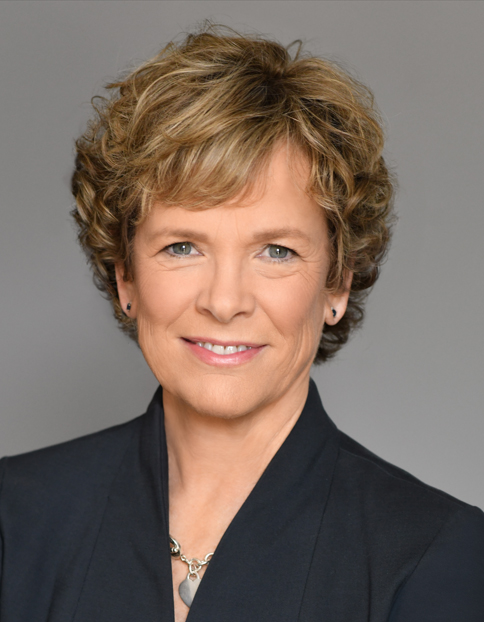
Emily Chapman, MD
President and CEO of Children’s Minnesota
With more than 30 years in pediatric health care, Dr. Chapman is deeply committed to delivering exceptional care and experiences for patients, their families, staff and the community.
Follow Dr. Chapman on LinkedIn.