
Minneapolis emergency department improves patient experience and efficiency through workflow redesign
In early 2025, the emergency department (ED) redesign workflow group trialed the transformative intake provider model aimed at reducing wait times, improving patient flow, and creating a better experience for both patients and staff in the Minneapolis emergency department. As part of this effort, a 40‑day pilot ran on Sundays, Mondays, and Tuesdays from 10 a.m. to 10 p.m., routing patients through one of three care pathways — quick zone, super track or ED main — based on acuity and treatment needs. Following intake, patients were seen by a physician, a registered nurse (RN) or an emergency medical technician (EMT), depending on their level of need.
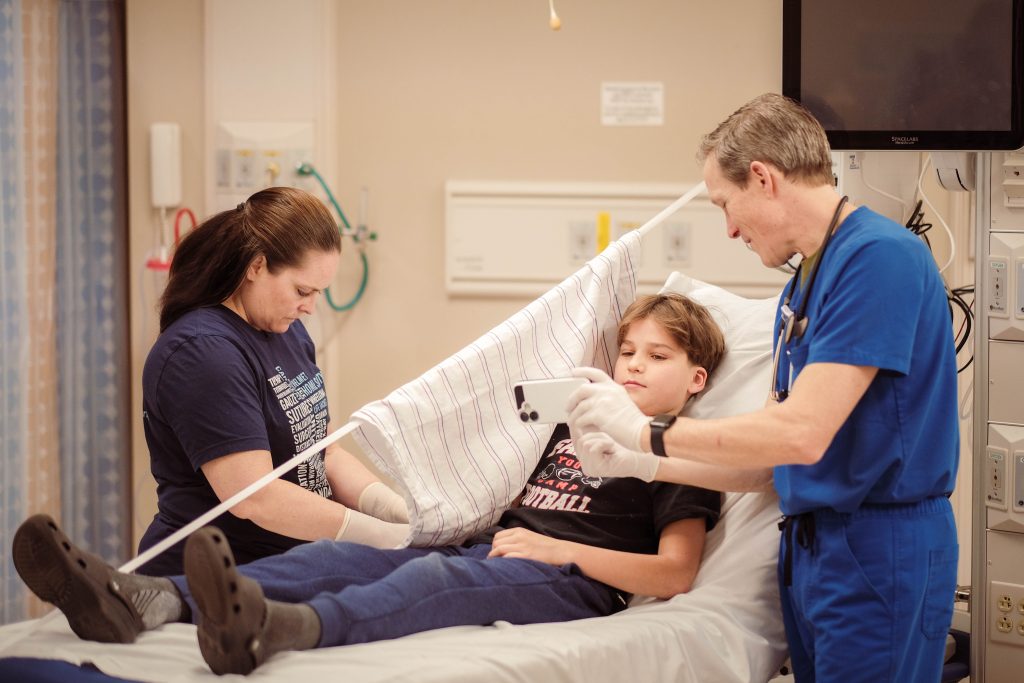
This approach replaced traditional triage with a streamlined intake process that gets patients in front of a care team member earlier in their visit, allowing for immediate medical screening, early order entry, and faster disposition decisions. As a result, unproductive waiting was reduced and the care team was able to begin interventions sooner. Patients with less need were discharged quicker and flow improved.
The ED also saw improvements to other key metrics, including:
- The 2023 to 2024 data for Children’s Minnesota’s Minneapolis emergency department showed approximately 9% of patients left without being seen. This dropped to 4.4% during the pilot.
- Additional data indicated shorter wait times to see a provider and a reduced overall length of stay.
- According to the National Research Corporation (NRC) Health data, patients reported higher overall satisfaction with their visit and better relief from discomfort.
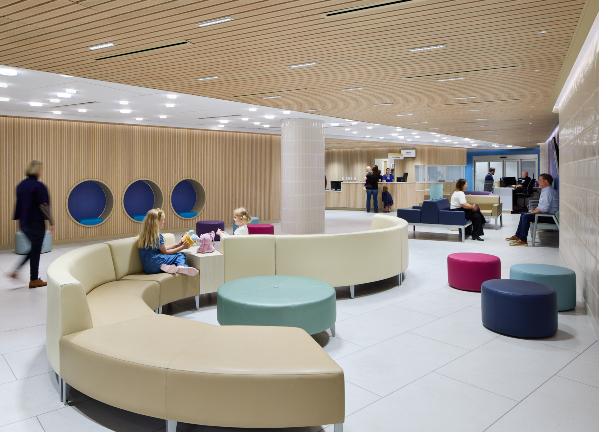
After a successful pilot program, the provider intake model was officially implemented in the fall of 2025. Four of the first seven days of full implementation saw zero patients left without being seen (LWBS). Patients also saw shorter wait times to see a provider and faster disposition decisions. Staff reported a more balanced workload, increased engagement and greater satisfaction with the workflow.
Developed through a multidisciplinary approach that included nurse‑led workflow redesign and interprofessional collaboration, this initiative demonstrates Children’s Minnesota’s strong commitment to innovation, efficiency, and excellence in care delivery.
PICU recycling idea proven possible and successful
In health care, the three “Rs” — reduce, reuse and recycle — don’t often apply. In fact, reducing and reusing materials is typically not possible and goes against many of our infection prevention best practices. Recycling, however, is an area where meaningful impact is possible, as demonstrated by care teams in the Children’s Minnesota pediatric intensive care units (PICUs) in Minneapolis and St. Paul.Tiffany Blomgren, BSN, RN, a clinical nurse in the Minneapolis PICU, recognized the significant amount of plastic film packaging from various supplies used on the unit. She began collecting it for recycling. As the volume grew, colleagues stepped up to help establish a dedicated collection container. The effort ultimately led to the Children’s Minnesota facilities team implementing a more formal collection and disposal process.
Inspired by the success of the Minneapolis initiative, colleagues — Alyssa Petersen, BSN, RN, clinical nurse, and Matt Houle, MSN, RN, patient care supervisor — led the expansion of this eco-friendly practice to the St. Paul PICU. Over just three months (November 2024 through January 2025), four kilograms of plastic film were collected and recycled.
Together, these efforts show how small, nurse‑led ideas can create meaningful environmental impact and inspire change.
“Central Line Care at Home” booklet provides valuable guidance for patients and caregivers
Being discharged with a medical device, like a central line, can be scary for a patient and their caregiver. To help alleviate some of the fear and to provide at-home guidance, Angela Jensen, MSN, RN, vascular access clinical nurse, along with other vascular access nurse educators and the Vascular Access Council, developed the “Central Line Care at Home” booklet.
The booklet provides an overview of central line types, infection prevention, medication flushing and administration, routine care and maintenance, emergency resources, and a customizable page for documenting a patient’s specific central line details. Once a patient has received a central line in the hospital, their clinical nurse can print the booklet and give it to their family. This valuable patient family education resource is a terrific example of Children’s Minnesota nurses being every family’s essential partner in raising healthier kids.
Support and resources for staff following the Annunciation Catholic Church and School shooting
In August 2025, a shooting at Annunciation Catholic Church and School in South Minneapolis claimed the lives of two children and left many others wounded. Nurses in Children’s Minnesota’s Minneapolis emergency department cared for several of the victims. Other staff members also stepped in to help, even those who do not typically work on the unit. While health care teams practice and prepare for these tragic events, it doesn’t make them any easier when they happen.
Children’s Minesota nurses on every unit stand ready to respond to these horrific events, with ears ready to listen, shoulders ready to cry on, and clinical expertise ready to save lives. The nursing profession is cherished – and challenging – and the weight of it all can be heavy. In the aftermath of this tragedy, Emily Chapman, MD, Children’s Minnesota president and CEO, thanked staff for their excellent care of patients, families and the community, and reminded staff to also take care of themselves.
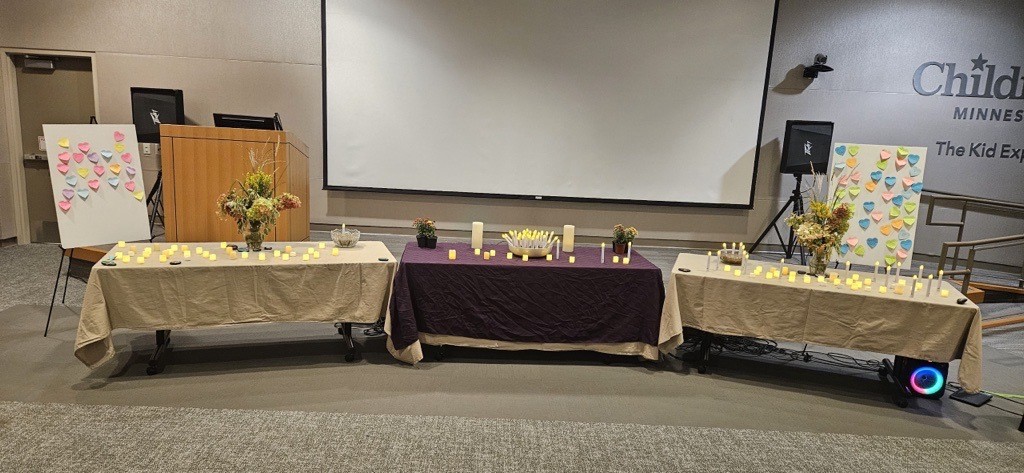
The following resources were noted at the time of the event; some were available temporarily and some are ongoing:
On-site staff support was available on the Minneapolis hospital campus through Aug. 29, 2025. The interfaith chapel in Minneapolis also remains available as a quiet space for meditation and reflection.
Children’s Minnesota also has a variety of free well-being resources for staff to use, including:
- Lyra Health: Lyra Health provides 25 free in-person or virtual therapy or coaching sessions for employees (and their dependents) to support self-care. Lyra also provides 24/7 access to confidential, tailored support for emotional well-being, financial and legal guidance, work and career, parenting and childcare, and elder care services.
- On-site counseling: A licensed professional clinical counselor is available at Children’s Minnesota, virtually or on-site at our campuses in Minneapolis, St. Paul and the Children’s Business Campus (CBC) in Edina.
- Well-being toolkit: The well-being toolkit from the Children’s Minnesota | Be Well program curates all available options and helps staff find a resource that’s right for them.
- The Staff Well-Being Collective: a sustainable support model that acknowledges the difficulty of providing health care and the psychological impacts that exist in this work. Their goal is to ensure that the needs of all Children’s Minnesota staff – employees, professional staff, clinicians and contractors – are met, and resources to support them in their work are easily accessible. The Staff Well-Being Collective improves visibility to many programs that are already in practice at Children’s Minnesota to promote effective and efficient deployment.
“Meds to Beds” program streamlines discharge process
Courtney Kenefick, DNP, APRN, CNS, clinical nurse specialist, and Katie Allen, BSN, RN, clinical educator, sixth floor Minneapolis, introduced the “Meds to Beds” program — a patient‑centered service designed to streamline the discharge process, and improve medication access and understanding. Through the program, discharge medications are filled by the Children’s Minnesota outpatient pharmacy and delivered directly to the patient’s bedside, with medication consultation also provided at the bedside before discharge.
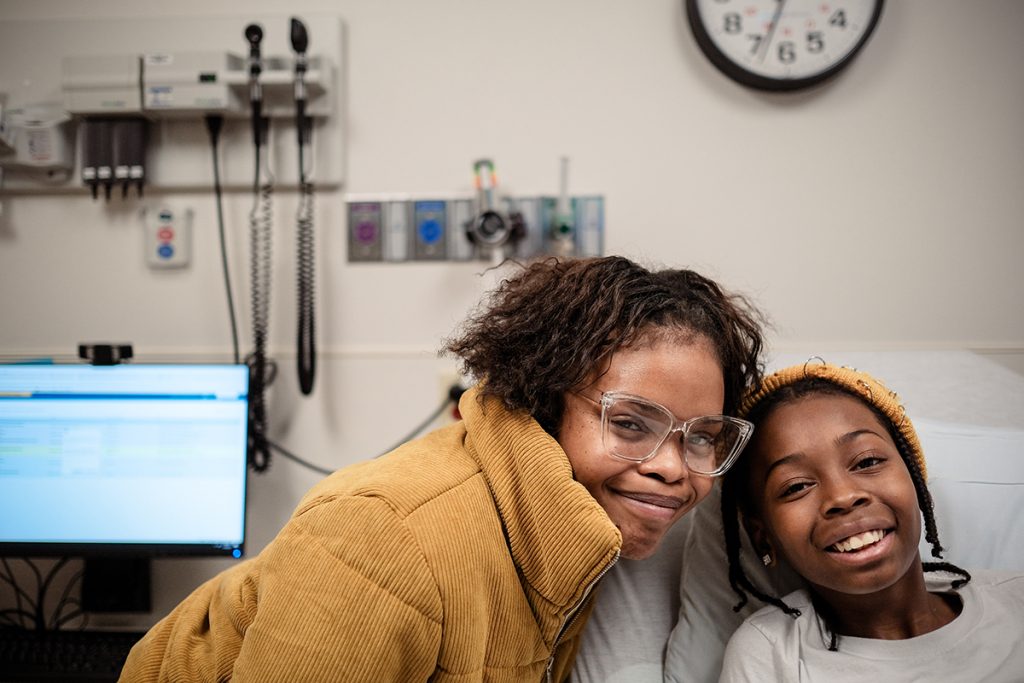
The program has shown to improve patient families’ understanding of medications and adherence, reduce barriers, and address needs before patients leave the hospital. The program is currently only available for hospitalist patients on the Minneapolis campus (floors 6, 7 and 8, and the infant care center), Monday-Friday, 7 a.m. to 7 p.m., but system-wide implementation is being explored. New technologies, including the implementation of Epic as our electronic health record, will help us get there.