
This blog has been medically reviewed by Madeleine Genereux, MD, pediatrician in the Children’s Minnesota Primary Care Clinic – St. Paul.
Every year, respiratory syncytial virus (RSV) causes concern for families, especially those with infants and young children. That’s why many parents wonder how the RSV shot for babies and RSV vaccination during pregnancy can help.
RSV is a major cause of respiratory illness in babies and young children from late fall to early spring. The kid experts at Children’s Minnesota are here to help you understand what RSV is, the symptoms to watch for, how the new RSV shot works, and what to expect for safety and side effects.
What is RSV?
Respiratory syncytial virus, or “RSV,” is a virus that causes respiratory infections in people of all ages. People often wonder about the RSV season months. In Minnesota, most RSV infections occur between late fall to early spring. Usually, older children and adults will have only a cold with mild symptoms, but in infants and young children it can cause more severe respiratory illnesses.
Most children have had RSV by age 2, and while it’s usually mild, it can sometimes cause serious illness like bronchiolitis or pneumonia — especially in babies, premature infants or those with chronic health conditions.
Learn more about pediatric primary care for your child.
What are the symptoms of RSV and how is it treated?
RSV in babies often starts with mild cold-like symptoms: stuffy or runny nose, cough, fever and poor feeding. In some cases, it can cause wheezing, labored breathing or dehydration.
There is no medication that cures RSV. The treatment for your baby will focus on managing their symptoms. We recommend seeking emergency care if your child has trouble breathing, is very drowsy or has blue lips or fingernails.
Emergency care
Two emergency rooms. All for kids. Expert pediatric care using the latest techniques.
Is there an RSV vaccine?
The RSV treatment options for babies can help prevent your child from getting severely sick. The treatment options give babies antibodies, either through a vaccine or an antibody shot. Vaccines help the body make its own antibodies, while antibody shots provide ready-made protection.
These are two FDA-approved options that may help prevent severe cases of RSV in infants.
Abrysvo vs Beyfortus:
Beyfortus is an antibody shot given directly to babies, providing immediate protection during RSV season. It works differently than a vaccine. It provides immediate protection and does not require immune system activation like a vaccine would. Clinical trials show that Beyfortus lowers the chance of needing any medical care for RSV by up to 70% and lowers the risk of needing intensive care in the hospital by up to 90%.
Who can get the RSV vaccine Abrysvo? Abrysvo is an RSV immunization given to pregnant people at 32–36 weeks to help protect newborns in their first months. Abrysvo helps pass protective antibodies to the baby before birth.
Schedule a well-child check-up to learn more about the vaccines available for your child.
RSV shot for babies (Beyfortus)
The RSV shot, Beyfortus, is a one-time injection of antibodies so that babies and toddlers don’t have to create those antibodies when they get infected with RSV. Having antibodies helps our body fight off infections by recognizing and removing bacteria and viruses from our bodies.
How the RSV shot protects babies
Antibody shots like Beyfortus provide ready-made protection. Many people wonder, how long does RSV immunity last? Beyfortus is long-lasting offering protection for the child for five months – the duration of a typical RSV season. The RSV antibody for babies can dramatically lower the risk of being hospitalized and developing a severe lung infection like bronchiolitis or pneumonia.
When is the RSV shot given to infants?
Timing depends on RSV season (typically October–March) and your child’s risk factors. Beyfortus is approved for kids at these ages and times:
- Babies under 8 months old born during or entering their first RSV season.
- Toddlers up to 2 years old who are at higher risk for severe RSV (such as children who were born prematurely or those with chronic conditions) may get another dose in their second RSV season.
RSV shot side effects in babies
After a shot, some redness or soreness at the injection site is normal. It is very rare to have a fever or any illness symptoms after receiving Beyfortus. The RSV shot for babies shouldn’t create a lot of long-lasting side effects. If you have any questions, we recommend reaching out to your pediatrician.
RSV vaccine in pregnancy (Abrysvo)
Abrysvo is given to pregnant people between 32 and 36 weeks of pregnancy. It helps pass antibodies to the baby before birth, offering protection during the first months of life when babies are most vulnerable to RSV.
How the maternal RSV vaccine protects babies
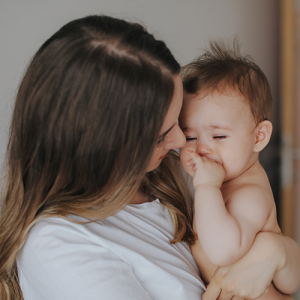
The pregnant person receiving the RSV vaccine offers protection to newborns in their first months. The vaccine creates antibodies in the pregnant person that are then passed through the placenta helping protect the baby once they are born.
When do pregnant people get the RSV vaccine?
Is there a specific RSV vaccine age? No, instead the RSV vaccine is given to pregnant people when they are close to delivering, typically around 32-36 weeks of pregnancy. It is important that the pregnant person receive the vaccine at least two weeks prior to delivery so there is enough time for the antibodies to be generated and passed through the placenta to protect the newborn infant.
Many people wonder about how often to get the RSV vaccine and, is the RSV vaccine a one time shot? Yes, the RSV vaccine during pregnancy is a one-time shot, meaning pregnant people will only get the vaccine once.
RSV vaccine pregnancy side effects
Similar to other vaccines, you may feel soreness at the injection site, as well as some fatigue and discomfort. These side effects should be short lived. We recommend calling your provider if you have any questions or long-lasting side effects.
How the kid experts at Children’s Minnesota can help
We hope this article has given parents clear answers about RSV, the vaccine and antibody treatments available and more. Our kid experts want to help keep your child and family healthy this season.
Children’s Minnesota recommends you get your family vaccinated wherever possible. Visit or contact your local pharmacy or your primary care clinic to learn more.
Our primary care clinics are conveniently located throughout the Twin Cities metro area so your family can access the best care, close to home.