
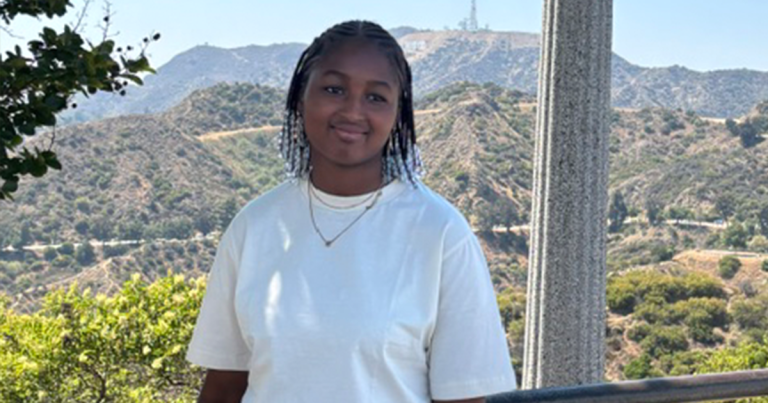
At 15 years old, Binta is thoughtful, determined and curious. Her favorite subject in school is math because there is always a right answer. Those qualities have helped Binta live with sickle cell disease, a lifelong condition that changes the shape of red blood cells, which can cause pain and other health problems.
A diagnosis early in life
Binta was diagnosed with sickle cell disease when she was 2 weeks old. Her mom, Marly, remembers crying when she got the news. She had seen family members in Africa struggle with sickle cell disease, and she knew how serious it could be.
The family was referred to Children’s Minnesota’s Hemoglobinopathy and Sickle Cell Program, which treats the majority of children in Minnesota with abnormal hemoglobins and anemias.
The care team at Children’s Minnesota helped the family understand the diagnosis and what it meant for Binta. Pain episodes are one of the major symptoms of sickle cell disease. But a baby can’t easily tell you when they’re in pain. The care team educated the family on what to watch for at home and when to bring Binta in for care.
Learning to manage the unknown
In those early years, Binta’s parents watched her closely. Every cry raised concern that she might be in pain.
When Binta she was 3, those concerns became reality. She experienced her first serious pain episode. In addition, she had a salmonella infection that had spread to her bones. She spent 10 days in the hospital, followed by two weeks of IV (intravenous) antibiotics at home.
After that, she started a new medication that helped manage her pain. Over time, the medication and expert care helped the family manage her pain and reduce some of the day-to-day uncertainty
Growing into independence
As Binta grew up, she began to understand more about what sickle cell disease meant for her own body. She’s a twin and her sister, Fadima, has the sickle cell trait but not the disease.
She says she always knew she needed to take medicine, but around age 10 or 11 she started to understand what it meant to manage the condition for herself. Now, she makes sure to drink enough water and thinks carefully about how much activity her body can handle.
“If I do too much, I know I’ll have more pain,” she said.
Even so, she finds ways to stay active. Basketball is her favorite sport.

Facing challenges with courage
In recent years, Binta has faced new challenges. One complication of sickle cell disease is avascular necrosis. This happens when bone tissue doesn’t get enough oxygen because it doesn’t get enough blood.
Two years ago, Binta was diagnosed with avascular necrosis in her shoulder and needed surgery. Last year, she learned she also had avascular necrosis in both hips and recently had surgery. She has also had her gallbladder removed.
But her mother says Binta meets challenges with remarkable courage.
Even during painful moments, she stays composed. At appointments, she comes prepared with questions and speaks up for herself.
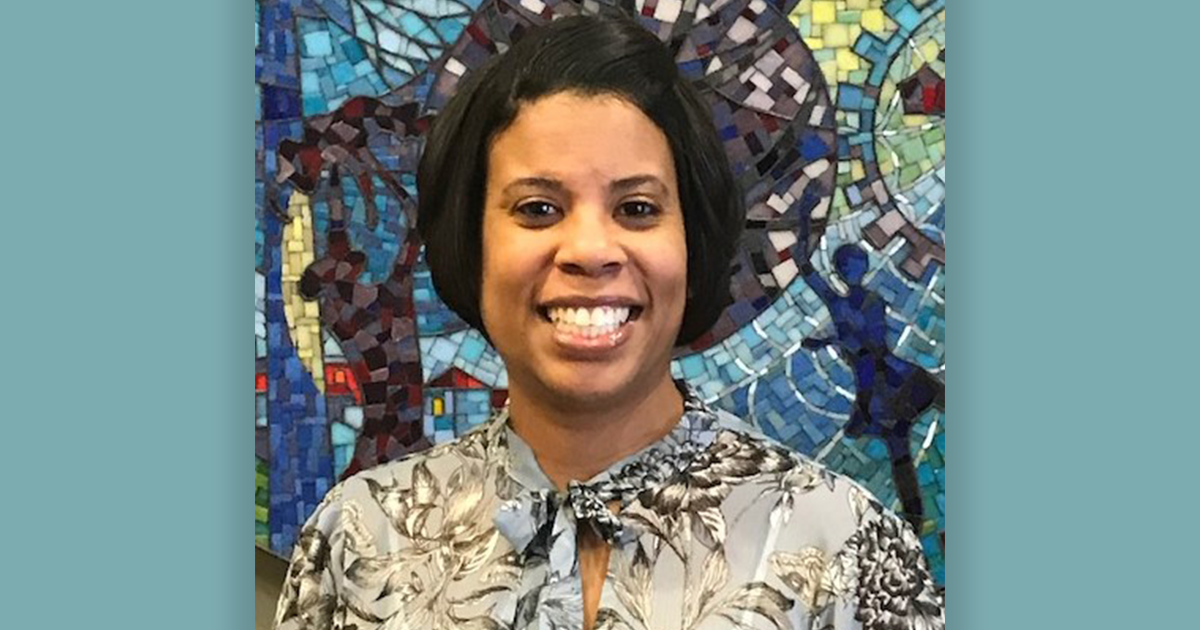
“What stands out about Binta is how engaged she is in her care,” said Cecily Wegmann, DNP, APRN, CPNP-PC, Binta’s advanced practice provider in the sickle cell program. “She’s learning how to manage a complex condition with maturity and confidence, and that makes a big difference in how she’s able to navigate sickle cell disease day to day.”

Support from Children’s Minnesota
Binta and her family say the sickle cell team at Children’s Minnesota has been a constant source of support. They help her understand what is happening in her body and encourage her to speak up and ask questions. For her family, that guidance has made a big difference.
When Binta began having shoulder pain, her parents thought it might be another pain episode. When they got to the hospital, her care team quickly moved forward with imaging and helped identify that it was avascular necrosis.
“We appreciate that. They are always ready to take the next step and not wait for symptoms to worsen to get it diagnosed,” said Marly.
Living with an invisible condition
Living with sickle cell disease also means navigating what others cannot always see.
Binta has learned that people may not understand what she is going through because the pain is not visible. She has had to explain to friends why she may not feel well even when she looks fine.
When she was younger, her care team helped her learn how to talk about her condition at school. That support helped her feel more confident and understood.
Looking ahead with hope
Today, Binta is focused on her future. She hopes to go to college and become an anesthesiologist, inspired by the people who made her feel safe before and after her surgeries.
As Binta looks forward, she hopes people better understand what it means to live with sickle cell disease.
“Even if you don’t see it, it’s still there,” she said.
For her and her family, support, awareness and compassion continue to make a difference — every step of the way.