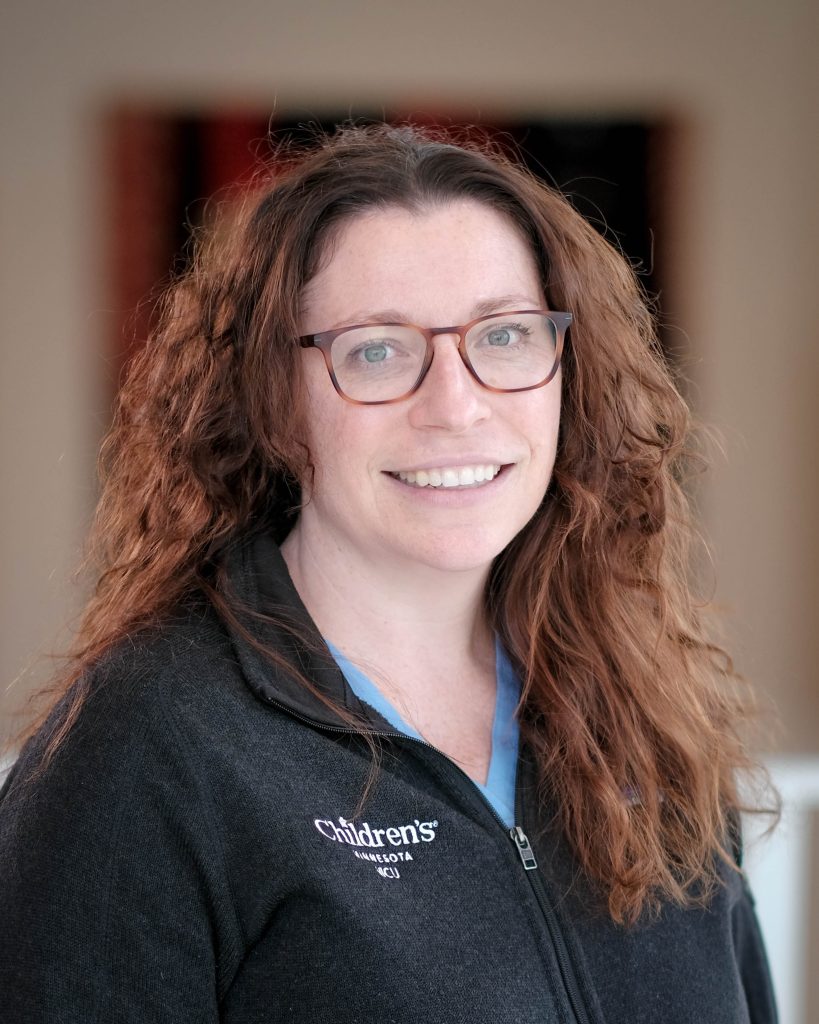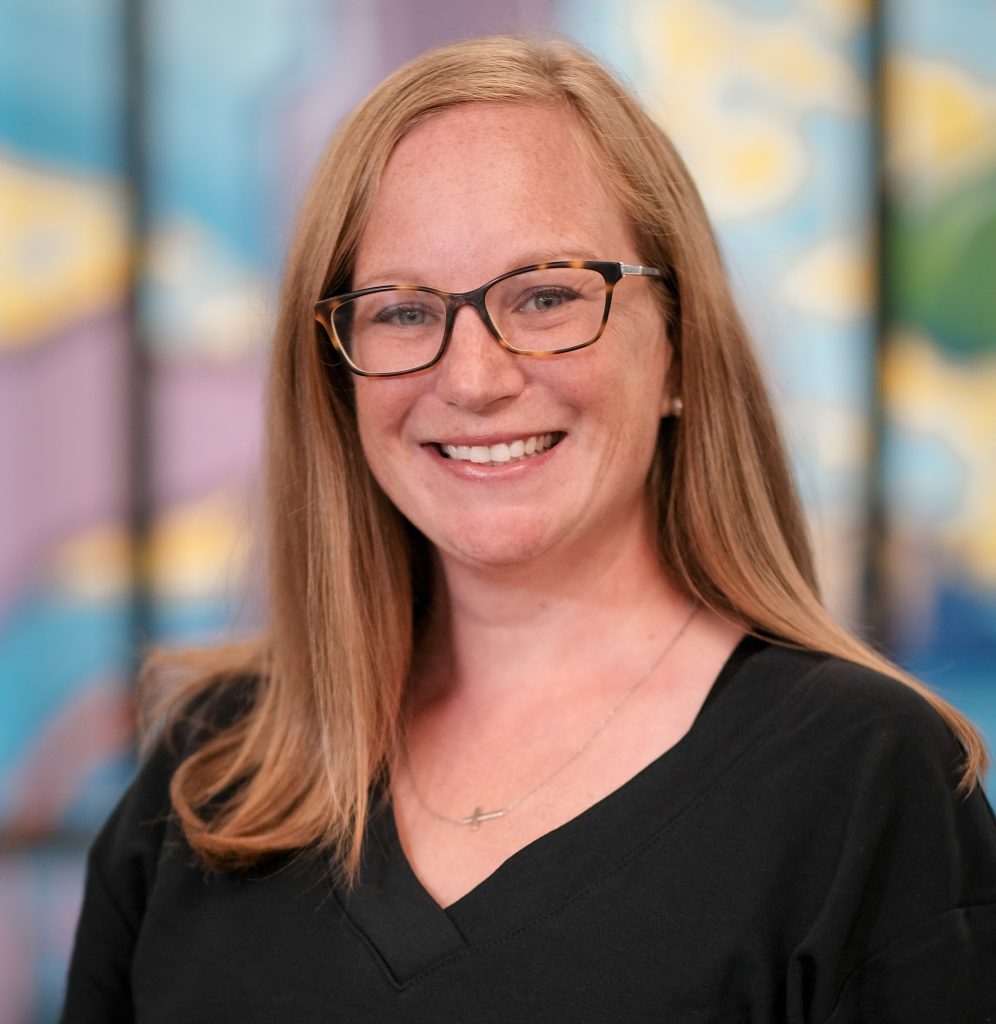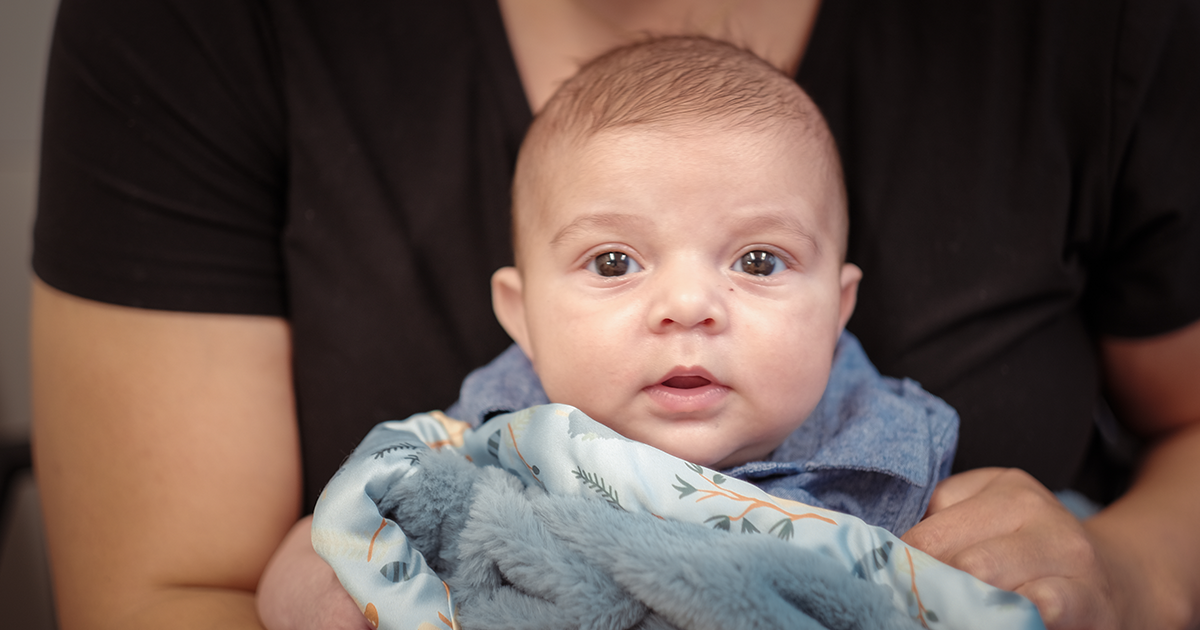

Vitamin K deficiency bleeding (VKDB) is a rare but severe condition that can lead to life-threatening complications, including massive intracranial bleeding. Ann Downey, MD, MS, neonatologist and medical director of neonatology at Children’s Minnesota, and her team have observed an increase in VKDB cases in recent years, raising significant concerns within the medical community.
Across the Children’s Minnesota system, vitamin K deficiency has become more prevalent, making common procedures higher risk for infants and children. The neonatology team is collaborating across health care systems to develop strategies to address these growing concerns.
VKDB occurs when newborns lack sufficient vitamin K, which is vital for blood clotting. Without it, infants are at risk for severe bleeding, which can include life-threatening intracranial hemorrhage. The standard preventive measure is a simple vitamin K shot at birth, which has been proven to be highly effective.
Addressing vitamin K shot hesitancy
In her nearly 20 years of practice, Dr. Downey has seen a dramatic shift in parents’ perception of vitamin K. During her medical training, Dr. Downey recalls that conversations about vitamin K were rare, with most parents opting for the shot at birth for their newborn without concern. Hesitancy has increased over the years as misinformation continued to spread. Today, Dr. Downey and her colleagues now address these concerns with families regularly.
“At the end of the line in the NICU, we see what happens when everything goes wrong, and these patients come in with severe, life-threatening intercranial bleeding,” Dr. Downey shared. The effects of seeing these devastating cases have left a toll on the team and have also fueled passion to find a solution. “We want to deliver consistent, equitable information to every single family every single time.”
One of the significant challenges Dr. Downey and her team face is the misinformation surrounding vitamin K. Families are often exposed to false information about the safety and necessity of vitamin K, leading to a refusal rate of around 4-6%, with higher refusal rates in areas farther from the Twin Cities.
Quality improvement initiatives
As the largest neonatal care program in the Upper Midwest, Children’s Minnesota is in a unique position to address this issue across our system and in collaboration with other health systems in the Twin Cities metro and beyond. Efforts by the neonatology team at Children’s Minnesota have focused on improving the administration of vitamin K to newborns, a practice that has seen inconsistencies across various health care settings.
The work requires collaboration. Dr. Downey, Megan Paulsen, MD, neonatal physician at Children’s Minnesota, and their colleagues from multiple specialties have developed a variety of strategies to address this issue, including:
- Developing educational materials for providers to share best practices and clinical guidelines. This includes an educational PowerPoint presentation for providers on best practices, which has been utilized at systems across the metro, including Allina Health, Health Partners and more.
- Developing a family information sheet that addresses the most common misconceptions about vitamin K which cause hesitancy. These materials are being translated into multiple languages to ensure they reach a broader audience, including Hmong, Spanish, Somali and Karen.
- Creating a vitamin K refusal form for parents to sign, emphasizing the seriousness of their decision and the potential risks involved.
- Standardizing clinical practice guidelines for vitamin K administration across health care settings.