
By Nick LaFave, director of organizational communications
There’s been talk lately about staffing levels, nurse safety and burnout in Minnesota hospitals — including some suggestions that our nurses are being left to fend for themselves.
That is not the story at Children’s Minnesota.
Like any hospital across the country, we face challenges. But we are not standing still. We are deeply engaged in improving the daily experience of nurses at every level — from staffing, to safety, to support. I recently sat down with three of our nursing leaders to discuss the progress we’ve made, the work underway and what’s being lost in the current conversation.
Workplace safety: “We’ve made real progress — and we’re not done.”
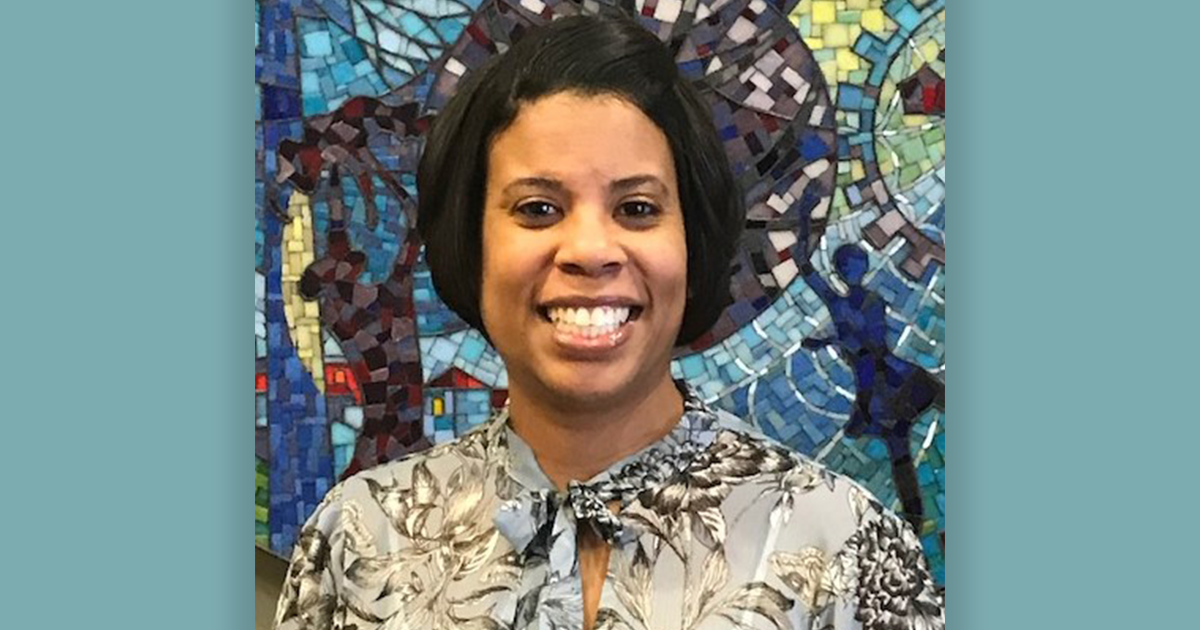
Caroline Njau, SVP of patient care services and chief nursing officer
“When I hear people say we’re ignoring violence in the workplace, it doesn’t just hurt — it erases the progress our teams have worked so hard to make,” said Caroline Njau, our chief nursing officer. “We’ve invested in de-escalation training, security response, signage, visitor screening and real-time reporting tools. And it’s working.”
In fact, thanks to those efforts, Children’s Minnesota has seen a significant reduction in incidents of workplace violence.
Caroline was quick to emphasize that we’re not content with what we’ve accomplished.
“We continue to meet regularly with multidisciplinary teams — including bedside nurses — to review safety trends, adjust protocols and support our staff. Nurse voices are central to everything we’re building.”
Staffing: “Nurses help set the staffing standards here.”
Kailyn Wilcox, director of pediatric care services
There’s a narrative out there that nurses have “no say” in staffing. “That’s just not accurate,” said Kailyn Wilcox. “At Children’s Minnesota, nurses sit on our staffing councils and committees. They’re directly involved in how we create staffing matrixes and adjust to meet patient needs.”
“Children’s Minnesota has also made major investments in hiring. In the last year alone, we hired more than 300 nurses — a remarkable number given the nationwide shortage. “It’s one thing to talk about staffing,” Kailyn said. “It’s another to act on it. And we are.”
She also highlighted enhanced orientation practices designed to ensure new nurses are supported and experienced nurses stay energized.
Preventing burnout: “You can’t talk about joy without talking about trust.”
Andy Berndt, VP of clinical services
When I asked Andy Berndt about burnout, he nodded. “It’s real. Especially after the last few years. But we’re taking it seriously — and we’re not just checking boxes.”
Andy pointed to new wellness programs, expanded peer support services, recognition platforms and unit-specific initiatives focused on joy in practice. “And yes,” he added, “we’re also looking at workflows. What tasks pull nurses away from patient care? What systems are slowing them down?”
Most importantly, he said, “We trust nurses to know what they need. That’s why we’re listening — and adjusting based on what they tell us.”
Final thoughts: The work is ongoing — and it’s shared
One thing all three leaders agreed on? There is always more to do — and we need to do it together.
“We’re not interested in winning an argument,” Caroline said. “We’re interested in creating the best possible environment for our nurses and our patients. That’s not a PR goal. That’s the mission.”
We know our nurses show up every day with heart, skill and dedication. They deserve a workplace that supports them, protects them and grows with them. That’s what we’re building at Children’s Minnesota.
And that’s a truth worth repeating.