
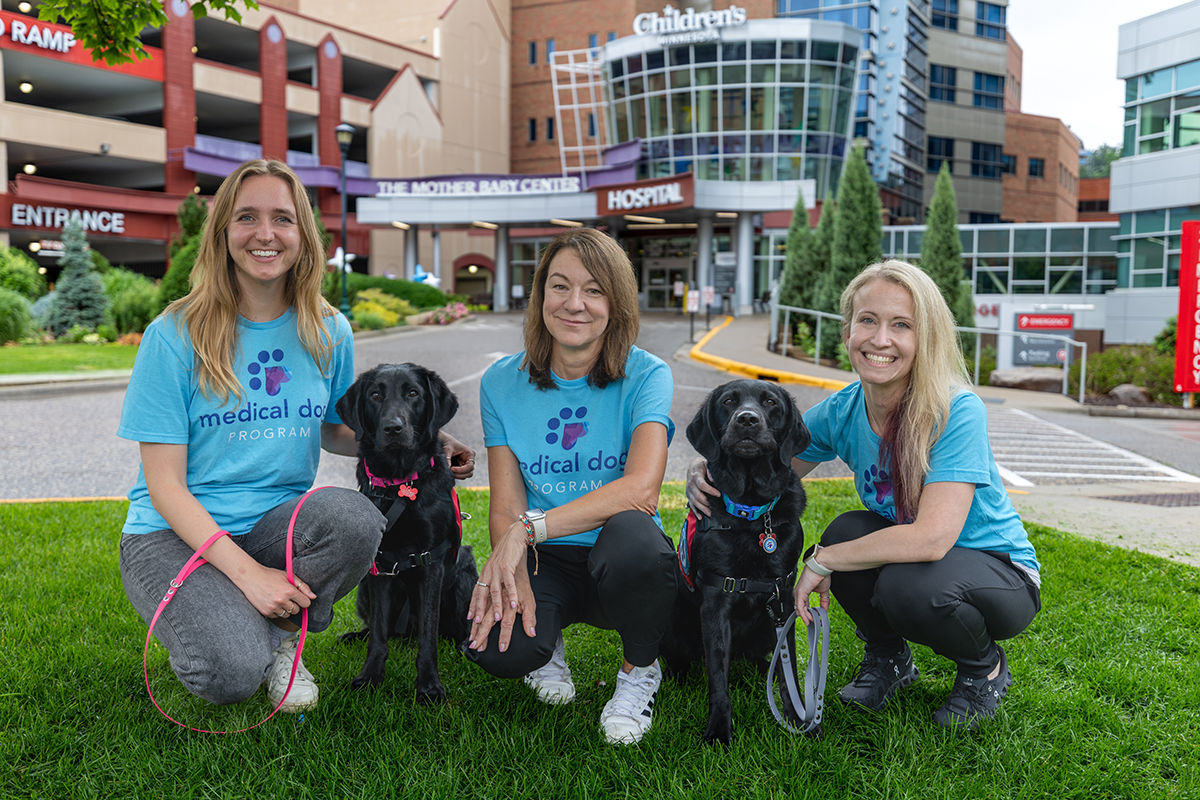
At Children’s Minnesota, our medical dog program features expertly trained medical dogs, also known as facility dogs, who provide invaluable support to patients and their families.
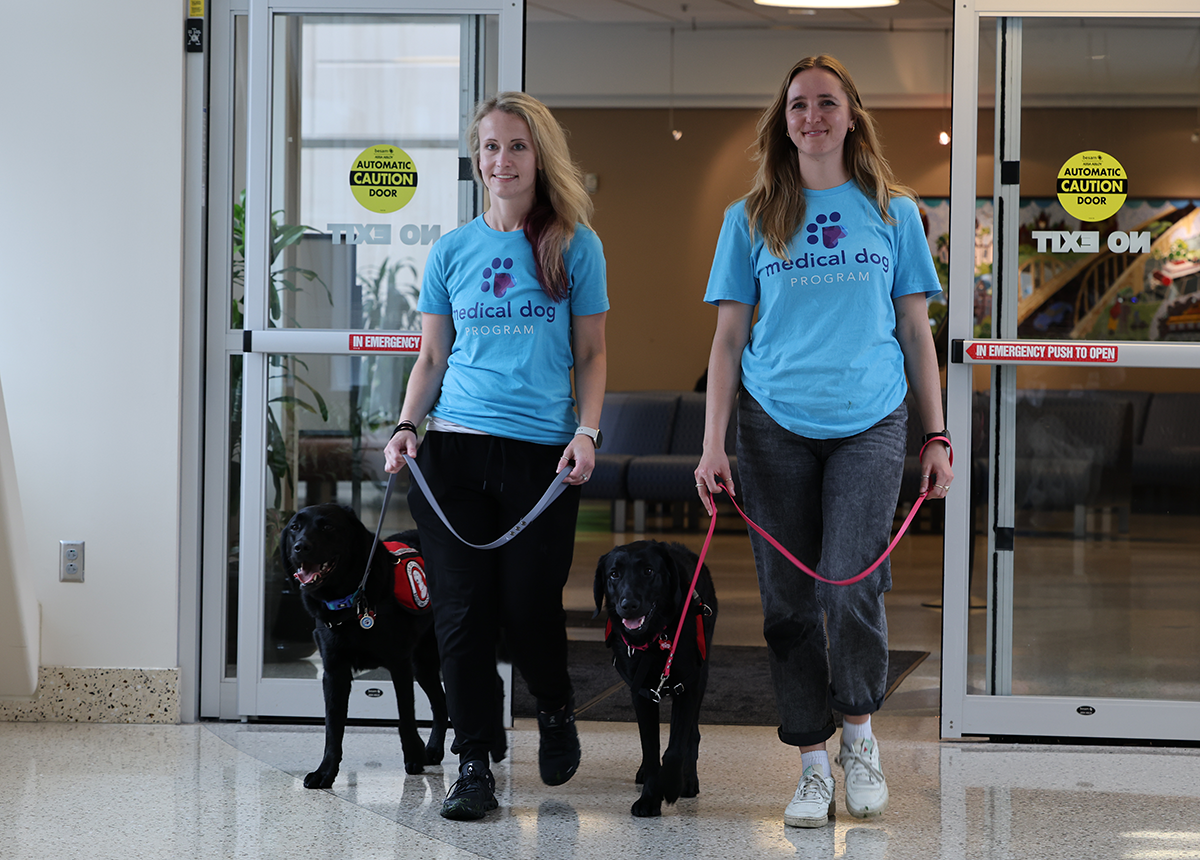
Our medical dog-tors are more than just comforting companions; they are an integral part of our care teams, working alongside their handlers to ease stress, increase motivation and promote positive coping during a child’s hospital stay. They help patients navigate their medical experiences and work toward their treatment goals with a wagging tail and a calming presence.
Benefits of animal-assisted interventions for kids
Medical dogs help support the emotional and physical well-being of patients and families in a wide variety of ways, including:
- Emotional support and reducing stress: Our medical dogs are expertly trained to help children cope with the stress, fear and anxiety often associated with hospital stays and medical procedures. Their calming presence makes the hospital environment feel more familiar and less intimidating.
- Motivation and engagement: Our medical dogs motivate patients to participate in their treatment, turning tasks like walking or taking medication into playful interactions.
- Distraction during procedures: For procedures such as blood draws or IV placements, medical dogs offer comforting distractions through tricks, offering a paw to squeeze, or simply by their calming presence at the bedside.
- Therapeutic education and demonstration: Our medical dogs model positive behaviors like taking medication or cooperating with vital checks, reducing anxiety and improving compliance. They also help kids learn about new procedures and equipment through engaging play.
- Enhanced coping and recovery: Working with their handlers, our medical dogs contribute to the patient’s holistic care, fostering emotional healing and resilience to help families cope with hospitalization and treatment.
- Improved hospital experience: Beyond clinical benefits, medical dogs bring joy, laughter, and a sense of normalcy to the hospital setting, improving the overall patient and family experience.
Meet our medical dogs and handlers
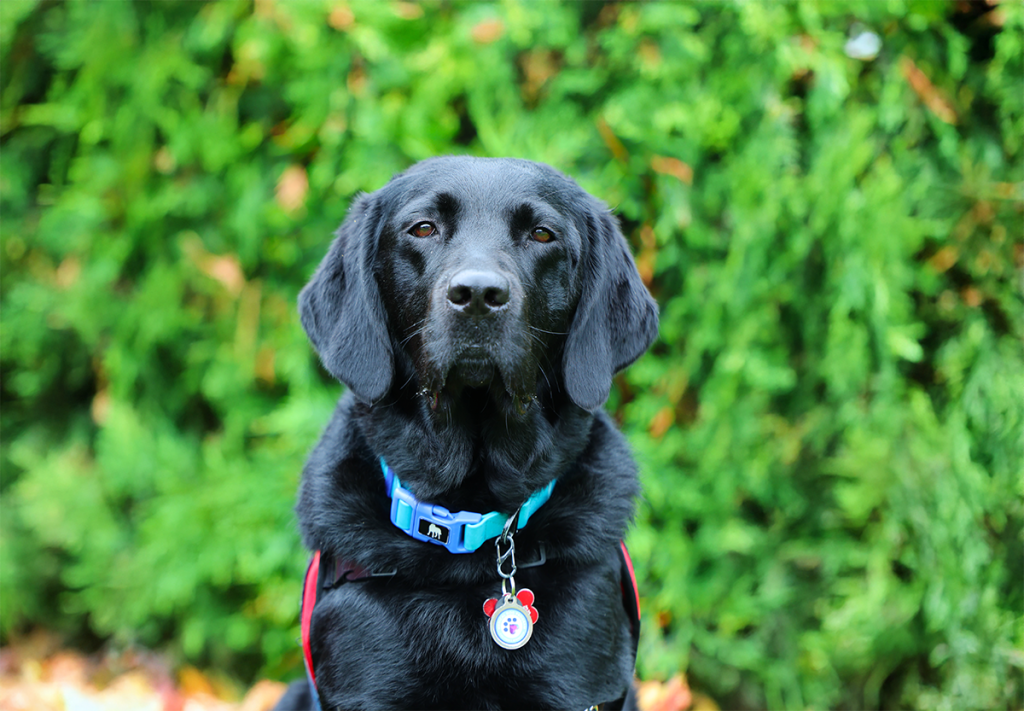
Riggs
Riggs is a Golden Retriever/Lab mix with a calm and steady presence, bringing a sense of peace to every interaction. Riggs works at our St. Paul hospital with patients recovering in the medical/surgical unit, at the Center for Treatment of Eating Disorders, and in the Child Life Zone.
More about Riggs
- Birthday: Sept. 30, 2020
- Favorite snacks: Watermelon, peanut butter, broccoli and ice cubes
- Favorite toy: Big red ball
- Favorite activities: Water sports, long naps on the couch
Riggs’ handlers
- Annika Kuelbs, CCLS (primary handler): Annika is a certified child life specialist with over 12 years of experience at Children’s Minnesota. Her expertise in child development and coping strategies, combined with Riggs’s gentle nature, creates a powerful duo for patient support.
- Rose Mason, CLA (secondary handler): Rose is a child life associate with a strong background in early childhood development and social-emotional learning, providing additional support to Riggs.
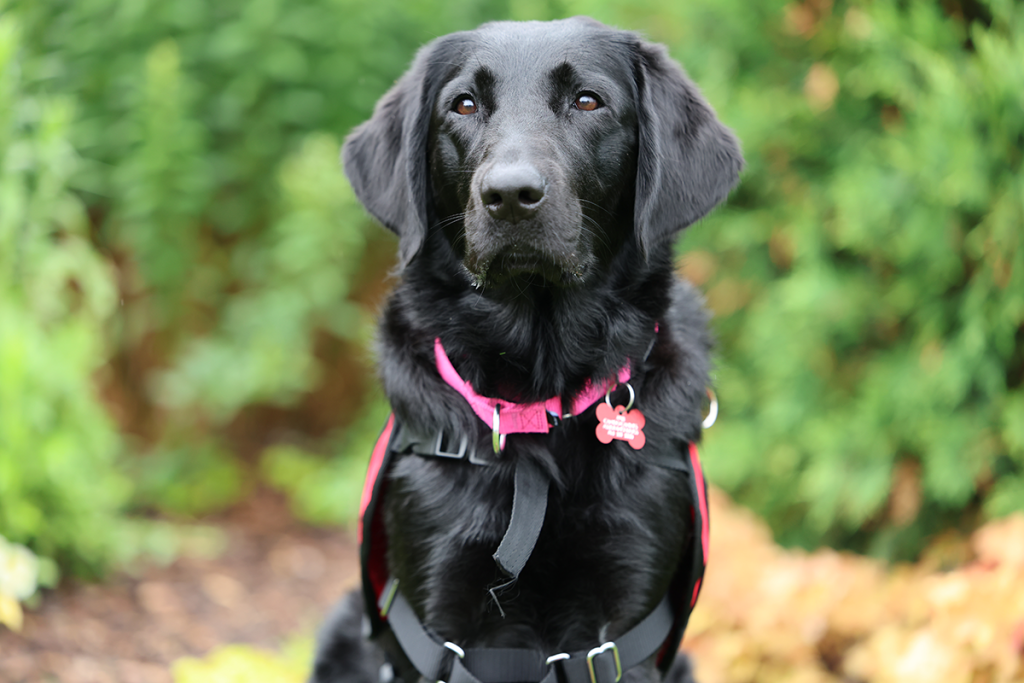
Ina
Ina is a Golden Retriever/Lab mix known for her energetic and playful personality, bringing joy and lightheartedness to patients. Ina works at our St. Paul hospital with patients receiving mental health care in our mental health unit, medical/surgical unit and emergency department (ED). She also supports patients at our partial hospitalization programs (PHPs) in Lakeville and Roseville.
More about Ina
- Birthday: Jan. 1, 2022
- Favorite snacks: Freeze-dried meat and peanut butter
- Favorite toy: Tug ropes and fetching balls
- Favorite activities: Yoga, napping upside down and cuddling
Ina’s handlers
- Leah Fricke, CTRS (primary handler): Leah is a certified therapeutic recreation specialist with an extensive background in animal-assisted interventions. Her experience as a pediatric experiential therapist at an animal farm sanctuary and in memory care settings with seniors makes her an exceptional partner for Ina.
- Rose Mason, CLA (secondary handler): Rose serves as a secondary handler for Ina, contributing insights from early childhood development and social-emotional learning.
FAQs about the Medical Dog Program
What training do medical dogs receive?
Before joining Children’s Minnesota, our medical dogs received special training at Can Do Canines, a Twin Cities-based organization dedicated to enhancing the quality of life for people with disabilities by creating mutually beneficial partnerships with specially trained dogs. Their rigorous training includes foundational skills learned through programs like the Prison Puppy Program and FETCH University, ensuring they are well-prepared for the unique environment of a pediatric hospital.
How do I request a medical dog visit for my child?
Medical dog visits are integrated into a patient’s care plan when determined by the care team to be beneficial in supporting the patient’s treatment goals. This ensures that visits are purposeful and align with the child’s needs.
What do the dogs do when they are not at work?
Each dog in the medical dog program lives full-time with their primary handler, enjoying the life of a regular dog with their handler’s family, including vacations and downtime.
How is a medical dog different from a therapy dog?
While both medical dogs and therapy pets bring joy and comfort to patients, the kind of support our medical dogs provide is more extensive due to their specialized training.
- Medical dogs work alongside hospital staff, such as child life specialists, to help motivate patients to meet their health treatment goals through play, preparation for procedures, or support during interventions. They are an active part of the child’s care team.
- Volunteer therapy animals, such as those through our Pets Assisting with Healing (PAWHs) program, typically visit patients and families in common areas of the hospital or in patient rooms to bring general comfort and cheer. Many of these therapy pets visit with their owners weekly or several times a month.
How can I support the medical dog program?
We are grateful for the community’s interest in supporting our Medical Dog Program. If you’d like to help the Medical Dog Program grow, please make a donation through the Children’s Minnesota Foundation.
Want to keep up with our medical dogs?
Follow the Medical Dog Program on Instagram.