
Author: This blog is written by Briella Reitzel, a current Children’s Minnesota patient.
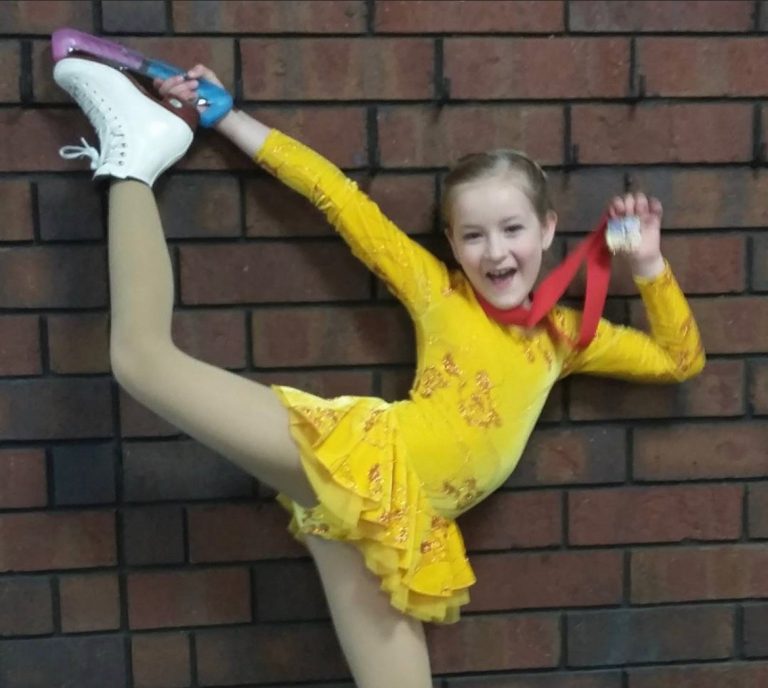
I grew up as the little kid who chased perfection as if it were the only way I could breathe. I was the kid who stayed up late at night reading books under the covers and who woke before sunrise to train for figure skating competitions until my legs gave out. I had plans for myself stacked like dominoes: earn straight A’s, early high school graduation, earn an undergraduate degree and then medical school. But slowly, the dominoes came toppling down.
When things started falling apart
It began with gradual betrayals of my own body. The inability to inhale enough air, rooms spinning, forgetting my words mid-sentence while talking with others, legs trembling under me, and my heart pounding – threatening to escape my chest.
At age 13, I began skating off the rink to vomit into a trash can, wipe my face and skate back on as though nothing had happened. I told myself I was weak, lazy and not pushing myself hard enough. Managing pain was a test, a mindset that I felt compelled to pass. Then, I started blacking out. I would become unable to move, hear or see, all while I was still aware. A prisoner inside my own skin.
By age 14 and middle of freshman year of high school, I could barely walk due to chronic pain. I had to quit figure skating, the one part of my life where I’d always felt the strongest. I missed months of school, my grades spiraled downwards and my identity unraveled.
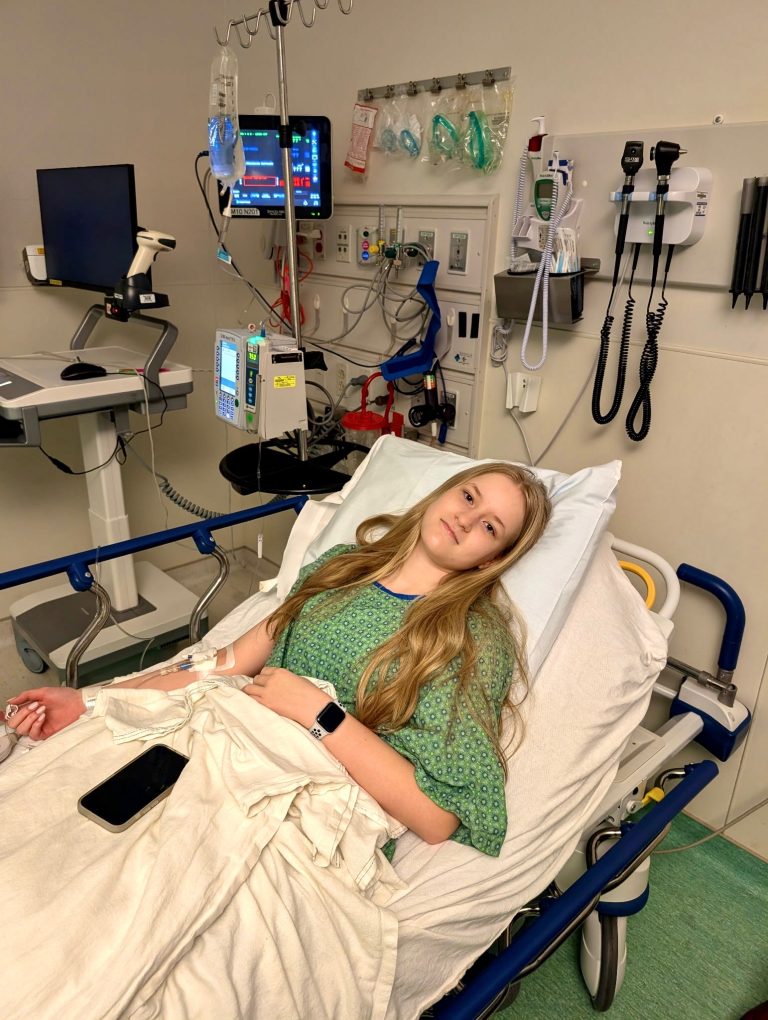
I was in constant pain, as if my stomach was tearing itself apart. I felt as if I lived in urgent care clinics and ER waiting rooms, sitting through test after test that always ended the same: “We don’t know.” “We can’t help you.”
No accurate diagnosis meant no substantial treatment. Over-the-counter medication did nothing to help me. Prescription medication didn’t help either as they often resulted in side effects such as my hair falling out and anaphylaxis, a severe and life-threatening allergic reaction. I lost trust in medicine and began to fear the very things that were meant to help me. But I couldn’t lose hope. If no one else could figure it out—I decided I would have to.
Advocating for myself
I dove into research determined to understand what was happening to my body. When I discovered postural orthostatic tachycardia syndrome (POTS), a disorder that causes circulatory issues as someone goes from laying down to standing up and display symptoms such as dizziness, nausea, fainting, abdominal pain, insomnia, and more, the puzzle pieces were starting to fit together.
Through an appointment with a cardiologist, I had my suspicions confirmed with an official diagnosis of POTS by a provider who was knowledgeable about how to treat it. My body hadn’t been failing because I was weak. It was failing because I hadn’t found adequate treatment.
Life-changing pharmacogenomic testing at Children’s Minnesota
I was referred for pharmacogenomic testing at Children’s Minnesota, which is a genetic analysis that predicts how individuals will respond to medications. For this testing, I worked with Courtney Paetznick, PharmD, a pharmacist who not only explained the science behind the test but also talked to me like I mattered. She validated my concerns that many of my medications weren’t working for me in the same way they might work for others, and I felt truly heard and understood by her.
When the results came back, we discovered that several of the medications I had been taking were ones my body was likely to metabolize poorly. No wonder they hadn’t been working for me! These test results became a roadmap, giving my doctors and myself clear, actionable information. My prescriptions were adjusted or replaced, sparing me from more ineffective medications with negative reactions.
Deep diving into the world of pharmacogenomics
As my health improved, I re-engaged in school activities including a school health care club that required student members to interview three medical professionals for a long-term project. My first choice for the interview was easy: Dr. Paetznick.
She welcomed me back warmly and gave me an in-depth understanding of the pharmacogenomics program at Children’s Minnesota, its origins, how it works and where it’s headed. I learned how they gather genetic data from diverse populations to personalize treatment, and I saw how genetic insights could revolutionize medicine not only for people like me but for anyone whose care depends on medication.
My life today

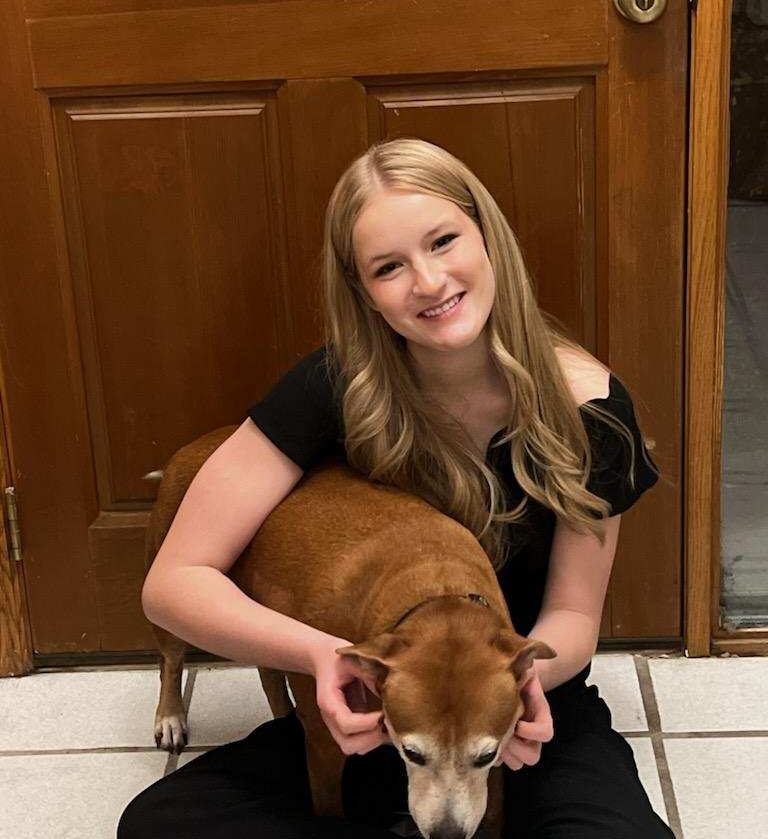
Currently at the age of 16, I’m still learning how to manage and integrate the best combination of treatments for POTS and other additional diagnoses. With each modification optimizing my treatment, I’ve started to feel like myself again – able to plan, to hope and to live!
My experience showed me the power of health care when it listens, investigates and individualizes. My path finally shifted not just because I received answers, but because people cared enough to keep searching.
To anyone still searching for answers: Don’t give up! Sometimes, it just takes finding that one person, one team, one test, one breakthrough, to light the way forward!