
This blog was medically reviewed by Gigi Chawla, MD, MHA, chief of general pediatrics at Children’s Minnesota.
Clean air is important for everyone, especially children. Unfortunately, air quality can decline due to things like wildfire smoke, pollution and climate change. In Minnesota, smoke from wildfires has become a frequent worry, making it important for families to understand how to protect their kids when the air turns unhealthy.
How does poor air quality affect kids?
Kids are more at risk to air pollution than adults for many reasons:
- They breathe more air relative to their body size.
- They are often more active outdoors.
- Their lungs and immune systems are still developing.
- Poor air quality can cause:
- Stinging in the eyes, nose or throat
- Trouble breathing
- Tightness in the chest
- Wheezing (a whistling sound while breathing)
- Persistent coughing
- Sore throat
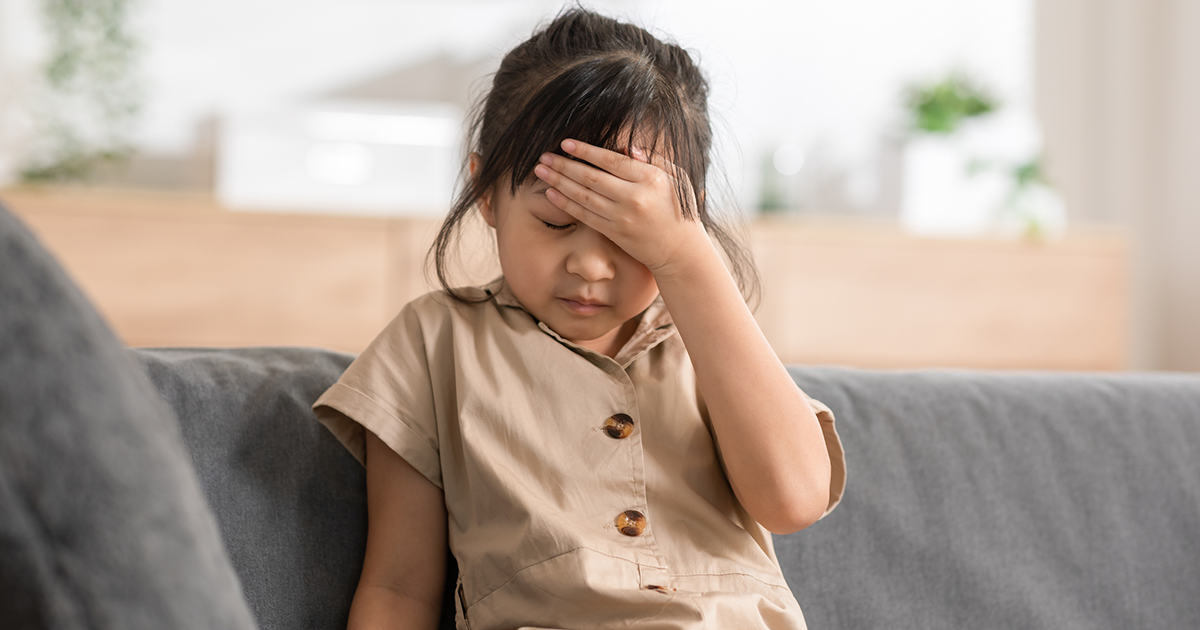
- Headache
Children with respiratory conditions like asthma and kids with congenital heart disease are at increased risk of adverse effects from air pollution.
Pollutants can trigger asthma flare-ups and increase the risk of respiratory infections. If your child has asthma, follow their asthma plan. Always have their quick-relief medicine ready. If they still have trouble breathing after using it, go to the emergency department or call 9-1-1.
How can I protect my kids from poor air quality?
Here are some easy ways to protect your kids:
- Stay inside: Keep windows and doors closed. Try to do outdoor things early in the day when the air is better.
- Use air conditioning: If you can, run your air conditioning instead of having your windows and doors open. Set it to “recirculate” so it doesn’t pull in outside air.
- Watch for alerts: Things can change quickly, so it’s best to keep an eye out for notices and alerts about the air quality.
- Clean indoor air: Use air purifiers if you can. Don’t burn wood or use strong-smelling paints or cleaners.
- In the car: Keep windows closed and use the air conditioning on re-circulate.
What about kids who play sports or work outside?
Staying indoors is one of the first steps to take when it comes to poor air quality. But, outdoor sports and jobs can make that hard. If your child must be outside:
- Consider wearing a well-fitting respirator mask (like an N95).
- Watch for symptoms such as wheezing, dizziness, chest pain, lasting coughs, bluish lips or fingernails, trouble speaking, or visible pulling in of the torso and neck during inhalation. If any of these symptoms appear, seek medical help right away.
- Take it easy. Try to avoid intense work outs, minimize your time outside if possible, stay in tune with your symptoms and stop if you notice you are not feeling well.
How do I know when Minnesota has poor air quality?
Many people wonder how to check the air quality in their state. The United States Environmental Protection Agency (EPA) offers a website called AirNow which reports the air quality where you are. It uses the official United States Air Quality Index (AQI) to share whether the air quality is healthy or unhealthy for you. You can check this website for updates regarding the air quality where you are.
Staying informed helps you make quick decisions to protect your family.