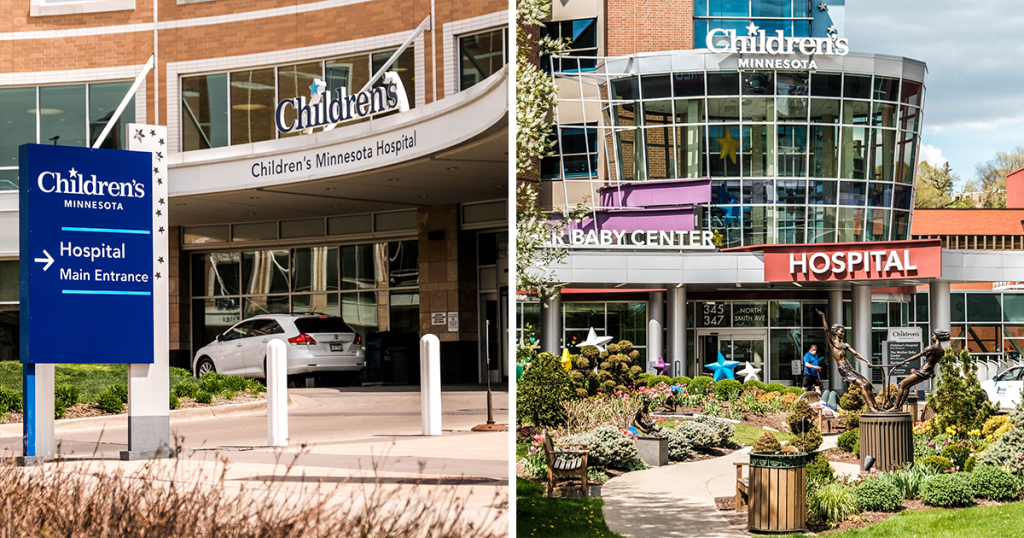

September is Childhood Cancer and Sickle Cell Awareness Month and it’s a time to raise awareness and funds for the vital work being done to help children facing these illnesses. As the largest program of its kind in the state, Children’s Minnesota’s cancer and blood disorders program cares for about 3,500 patients each year.
While the program is known for its advanced treatments and groundbreaking research, it’s the passion of the entire team — from doctors and nurses to child life specialists and social workers — that truly makes the difference. They show up every day, committed to caring for kids and supporting families during their most challenging moments.
But their work is not done alone. The community’s generosity fuels innovation that is shaping the future of treatment.
Leading research and clinical trials
Red-light therapy
A Children’s Minnesota nurse is studying a groundbreaking way to prevent painful mouth sores caused by cancer treatment. By using red-light therapy, her work is helping to ease pain, lower infection risk, and reduce hospital stays. The team is now studying a portable, at-home device to make this treatment more accessible for patients.
Bone health
Survivors of pediatric high-risk leukemia often face long-term bone health challenges, including weakness, decreased bone density, and structural damage, which can significantly impact their quality of life. These effects stem not only from the disease itself but also from intensive treatments such as chemotherapy, radiation, and stem cell transplants that disrupt bone growth and mineralization during critical developmental years. Research is underway to assess bone density and quality of life in leukemia survivors with the aim to improve and protect long-term bone function and quality of life.
Brain tumor vaccine
Children’s Minnesota is the only hospital in the nation leading a Phase 1 clinical trial for children with diffuse midline glioma, an aggressive and devastating brain cancer. This trial uses a new combination of a vaccine, a synthetic peptide, and radiation to help the body fight the tumor. This represents a critical step forward in developing new therapies for a disease that has long had limited treatment options.
The impact of your support
Thanks to the generosity of our fundraisers and donor community, we marked raising over $300,000 at the Shine Bright celebration on Sept. 30th. Their support reminds our staff that an entire community stands behind them.