
Author: Michelle Hall, NICU nurse at Children’s Minnesota.
In the midst of having kids, you get a lot of unsolicited advice, some helpful, some not so much. One thing I heard repeatedly when pregnant with my second was, “Watch out, those second born really keep you on your toes!” My son must have heard that and understood the assignment a little too well.
Giving birth to Kallen
Kallen was born at 32 weeks and six days on September 2, 2020, in the thick of the COVID pandemic. I had felt sick over the weekend, and what I thought was a stomach virus turned out to be HELLP syndrome, a rare pregnancy complication that affects your blood and liver. My water broke that morning, and not only was it way too early, but the fluid also looked bloody. My husband rushed us to The Mother Baby Center, and they immediately got to work getting an IV in me. Unfortunately, my vessels were extremely uncooperative, and Kallen’s heart rate was dropping, so I had him via an unmedicated C-section. While it was a scary situation, and one I never thought I would be in, I knew he was in great hands with my co-workers while I got the care I needed.
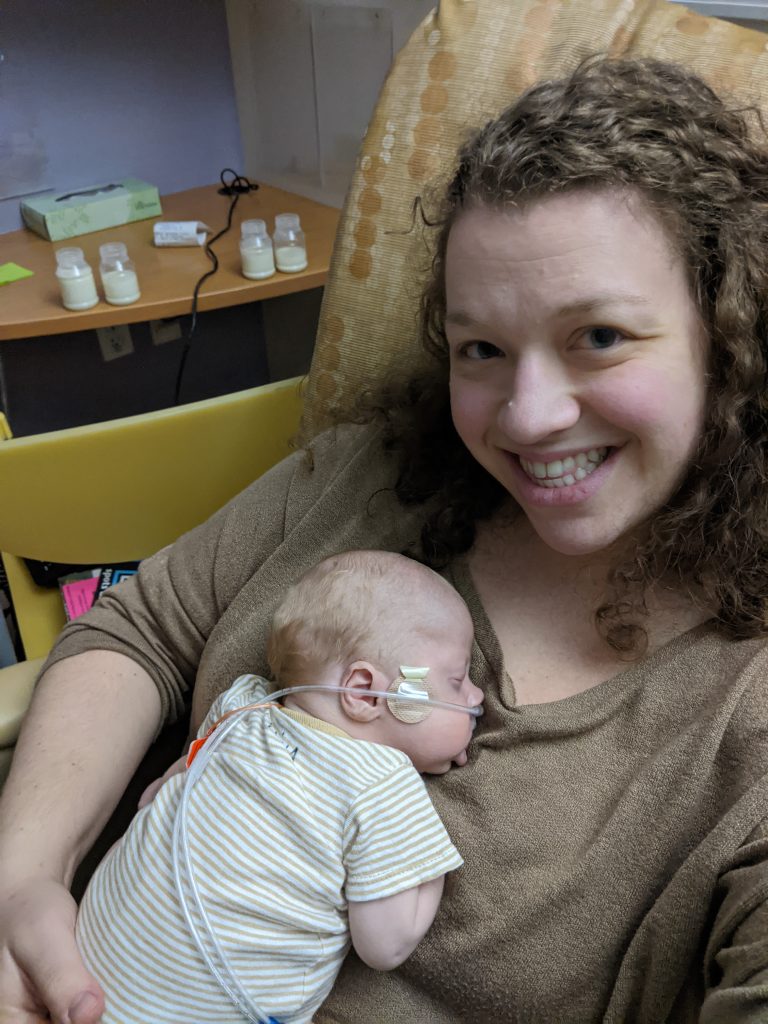
Being a NICU nurse, I knew I would tell a mom with an almost 33-week baby to plan on a seven-week stay, but I was secretly hoping he would be out in four. At around 10 days old, he had an MRI to make sure his brain looked OK since his heartrate had been low, and his initial labs were not the best. They ended up incidentally finding an arteriovenous malformation (AVM), a tangle of blood vessels that have an abnormal connection between the arteries and the veins. Kallen also was born with the cutest big tongue that stuck out of his mouth 90% of the time, which turned out to be due to Beckwith-Weidemann syndrome, a rare genetic overgrowth disorder.
Breastfeeding challenges with a NICU baby
We spent the next three months working on feedings in the NICU. Kallen loved breastfeeding but wouldn’t take anywhere close to an entire feeding. His AVM was causing high output heart failure which led to feeding difficulties as he simply didn’t have enough energy to spare for eating. I had appointments with our lactation consultants to make sure his tongue wasn’t causing any issues and they listened to me vent my frustration that he was only eating for about five minutes at a time before falling asleep even with trying the different tips and tricks to keep him awake.
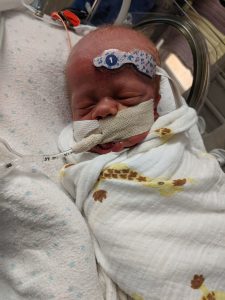
We also worked on bottling with his occupational therapist, but because he was so tired, he couldn’t bottle much without aspirating, or breathing in, his milk. Since the mechanics of latching went well and he didn’t show any signs of aspirating at the breast, our lactation team strongly advocated for us to continue working on breastfeeding with me pumping first to ensure the flow wasn’t too much. Our lactation team also tested the calories of my milk, and since the milk at the end of my sessions had significantly more calories than that at the beginning, we were able to use the higher calorie milk for his feedings in the hopes of him gaining weight quicker.
Kallen ended up with a G-tube shortly before going home and was once again a rare baby who was fed primarily by breast and G-tube rather than bottle and G-tube. While my nurse brain was telling me nursing would come on Kallen’s timeline, my mom brain was incredibly frustrated that I couldn’t just nurse him without having to tube feed the rest.
The lactation support that helped Kallen thrive
I’m in the unique position to know our lactation team both as a colleague and as a mom, and I would without a doubt recommend them to everyone who comes into Children’s Minnesota with a baby. They have so much knowledge and expertise and they are amazing advocates for our families. Even as someone who works with breastfeeding moms and in theory knows what to do, the lactation team was always happy to come assess his breastfeeding and gave me tons of support and tips, both for our time in the hospital and when discharged home to a very active 3-year-old.
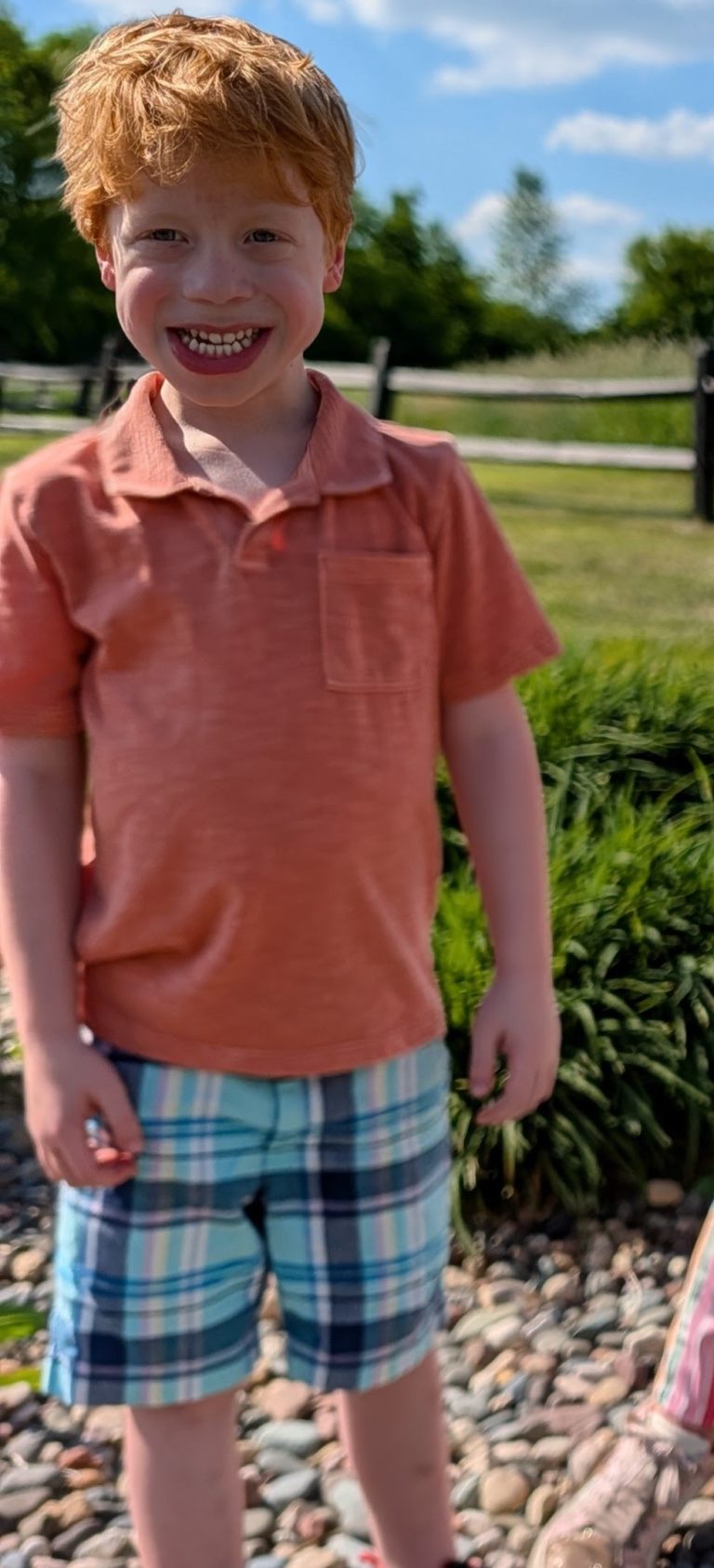
With their amazing support, Kallen continued breastfeeding and took more and more volume at home. We went from breastfeeding mostly for practice while his tube feeding ran to being able to fully breastfeed once or twice a day in the first three months at home. After Kallen’s first AVM embolization at 6 months old to close off blood flow to his AVM area, he was able to be completely breastfed, and his growth took off. I can confidently say we would not have been able to accomplish that goal without all of the lactation support we received.
Lactation support at Children’s Minnesota and The Mother Baby Center
Whether virtually or in person, lactation support at Children’s Minnesota and The Mother Baby Center is here to meet families with care, encouragement and expert guidance. Our lactation consultants are ready to support you and your baby every step of the way. Please call our lactation office to learn how we can help.
- Minneapolis lactation office: 612-863-4638.
- St. Paul lactation office: 651-241-6250.
- Coon Rapids lactation office: 763-236-7430