
This blog was medically reviewed by Kate Garland, MD, pediatric hematologist, and Susan Kuldanek, MD, medical director of hematology at Children’s Minnesota.
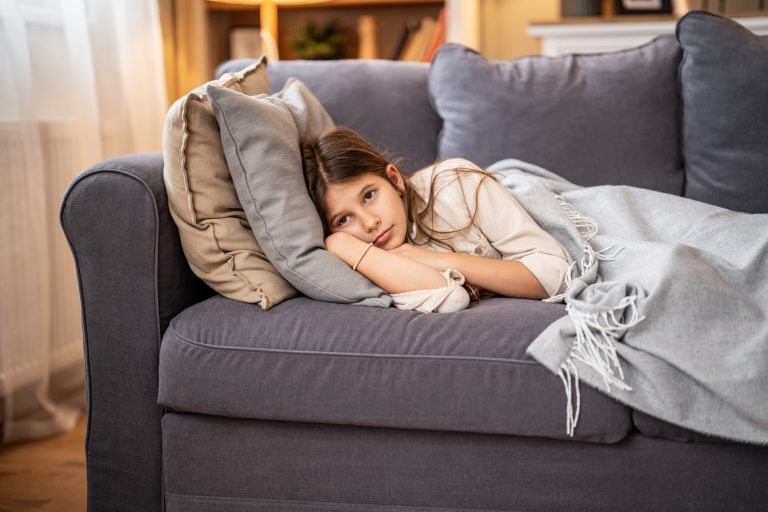
Do you know the signs of anemia in children to look for? Anemia is a common but potentially serious condition in which the body has fewer red blood cells than normal. It is identified by measuring hemoglobin, the protein in red blood cells that carries oxygen throughout the body.
Although the cause of anemia can be diverse, common causes can be treated with diet or supplements. Although rare, anemia can also be a symptom of other diseases like cancer, autoimmune conditions and genetic disorders to name a few. Knowing what the symptoms of childhood anemia are can help with prevention and getting your child the right care.
Learn more about the cancer and blood disorders program at Children’s Minnesota.
What is anemia in children?
Anemia is a common blood disorder where there aren’t enough red blood cells. The number of red blood cells in the body is typically referred to as hemoglobin; however, hemoglobin is technically the protein that sits inside the red blood cell. The red blood cells require iron to function properly, and to carry oxygen from your lungs to the rest of your body. This means that depending on the degree of anemia, essential organs like the brain and muscles may not get enough oxygen to support healthy growth and development. Most anemias in children are mild and can be easily treated through diet and supplements, but anemia can also be a symptom of another serious disease and require guidance from a medical professional.
What are the signs of anemia in children?
Anemia can show up differently for everyone depending on if it’s a mild case or associated with another disease, but below are the common signs of anemia in kids or toddlers to be aware of.
- Dizziness
- Headache
- Increased heart rate
- Irritability
- Leg pain
- Pale skin, lips, or hands (nail bed)
- Shortness of breath, or difficulty catching one’s breath during exercise
- Yellowish tint to the eyes or skin
What causes anemia in kids
Whether anemia is inherited or acquired, there are a couple common causes of anemia in kids. Working with your child’s care team to identify the cause is a crucial step in determining how to treat the anemia in kids and babies.
- Iron deficiency
- Hemolytic anemia
- Hereditary spherocytosis
- Hemoglobinopathies, including sickle cell anemia and thalassemia
- Aplastic and hypoplastic anemia
- Megaloblastic anemia
When does my child need medical attention?
Anemia symptoms in kids that warrant medical attention with a pediatrician are fatigue, dizziness, fainting, pale skin, headaches, chest pain or shortness of breath. To diagnose anemia, parents can expect questions about symptoms, family history, medication, diet, and laboratory testing. Families may also be directed or referred to a hematologist if further evaluation is needed or for specialized care.
What is a low iron level for a child?
Sometimes, the cause of anemia is iron deficiency. Depending on your child’s age, their iron level should fall somewhere between 20-30g/dL. If your child’s iron level is below that, they may be iron deficient. Someone can be iron deficient without anemia but could also have iron deficiency with anemia. The American Academy of Pediatrics does suggest screening for anemia between a child’s 9- and 15-month well-child check, and again at their 2-year-old well-child check. If test results come back indicating your child is anemic or iron deficient, we encourage parents to discuss results with a medical professional instead of relying on a range.
How can parents help with prevention?
If a baby is drinking formula with iron, there should really be limited concerns for low hemoglobin or iron in infants. However, if a breast-fed infant is not started on food sources other than breast milk by 6 months of age, there is risk for development of iron deficiency as breast milk can no longer support the increased metabolic need for iron. For children older than 12 months, parents can discuss with their child’s pediatrician about different ways to prevent low iron in kids. Below are some methods to consider:
- Serving iron rich food like red meat, eggs, beans, and being cognizant of the recommended daily milk serving
- Taking multivitamins with iron daily.
How is anemia in children treated?
Treatment for anemia in children depends on the cause and if it’s mild, moderate, or severe. For mild cases, treatment might just be observation. For moderate cases, a change in diet, adding supplements, medications, or transfusions could be needed. For severe cases or life-long anemia, treatment can include medication, blood transfusions, and even bone marrow transplants.
How the experts at Children’s Minnesota can help
Anemia symptoms in children can be concerning, but identifying the underlying cause can help families understand the next steps for care. From diagnosis to treatment, our team of expert hematologists partners with families to provide specialized care for blood disorders.
The Children’s Minnesota cancer and blood disorders program achieves outcomes that rank among the top national programs and cares for more than two-thirds of Minnesota children and adolescents with blood disorders. In the program, families coping with anemia have access to the newest and most promising treatments and receive care spearheaded and coordinated by a board-certified hematologist.
Learn more about the top-notch care provided by our cancer and blood disorder team.