
This blog was medically reviewed by Liz Placzek, MD, pediatrician and medical director of the West St. Paul primary care clinic.
Have you heard of the gut-brain connection? With new research about this connection, we are seeing that neurotransmitters like serotonin and oxytocin, the chemicals that make us feel good and affect our mood and mental state, are also created in our gut and not just the brain.

A healthy gut for our children means that their body will be able to absorb the key nutrients and vitamins that are essential for brain growth and development. Also, eating nutritious foods that feed the microbiomes or good bacteria in our gut can help produce feel-good chemicals and better support our overall mental health in the long run.
We talked with Liz Placzek, MD, pediatrician and medical director of our West St. Paul primary care clinic, about gut health, prebiotic sodas and more.
Three simple ways to support your child’s gut health
Supporting your child’s gut health doesn’t have to be complicated. Below are three easy ways that parents can help.
- Breastfeeding. Our microbiomes get formed while we are in the utero and once born, breastfeeding helps establish a healthy microbiome and support the good bacteria.
- Eat a wide variety of nutritious foods. As our kids get older and are able to eat solid food, it is recommended that they eat a wide variety of food that is high in prebiotics, a type of fiber that helps feed the good bacteria in our gut. This can be things like fruits, vegetables and whole grains.
- Limit the use of antibiotics. Of course, every time our children are sick, we want them to help them feel better immediately but for their long-term health, it might be better to not take antibiotics for every infection or sickness as antibiotics can also destroy the good bacteria in our gut. This is why they require a prescription and should only be used when necessary.
Can prebiotic sodas help with gut health?
In recent years, there has been a surge in the popularity of prebiotic sodas, sometimes thought of as “healthy” sodas. These beverages are marketed as a better alternative to traditional sodas that can help support your gut health. But the question remains whether these sodas are healthier, and should we be giving them to our kids?
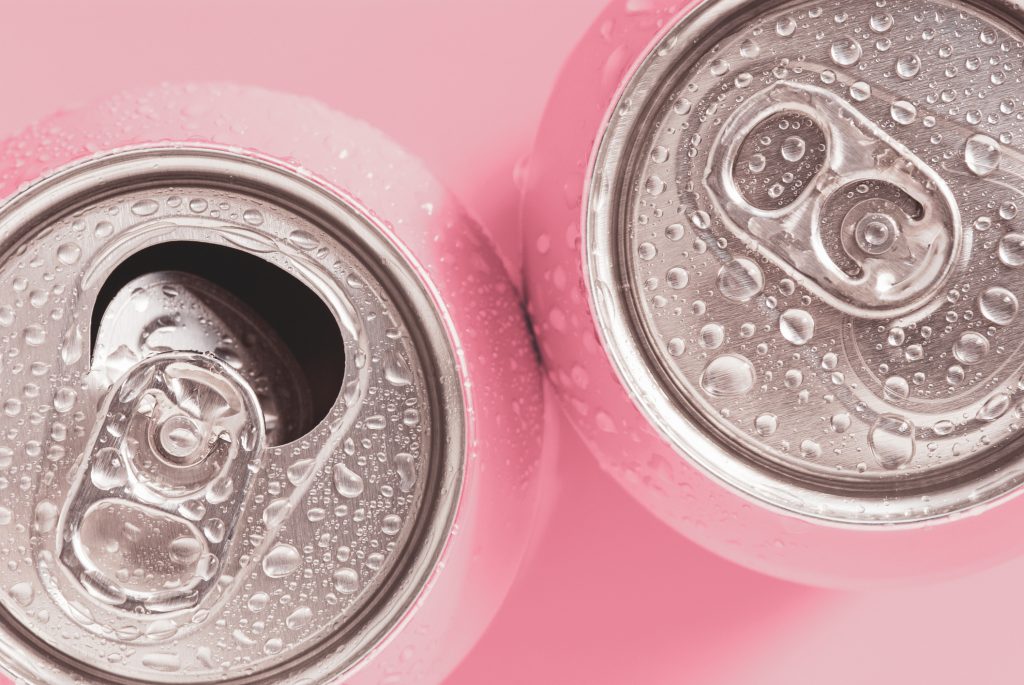
Are these prebiotic sodas really healthy?
Dr. Placzek explains that the worry pediatricians have with children and teens drinking soda is the excess sugar and calories.
When we talk about “healthy” sodas, it’s important to define what we mean by healthy. These sodas are generally healthier than regular sodas because they typically contain lower amounts of sugar and calories.
“‘Healthy’ sodas may have lower sugar and calories, but they may not have the other benefits you may be thinking,” said Dr. Placzek.
“Drinking these ‘healthy’ sodas would not be the ideal way to get your prebiotics,” said Dr. Placzek. “Eating a whole food like fruits or vegetables would give you the added nutritional value that the “healthy” sodas wouldn’t.”
While drinking “healthy sodas” could provide you with some fiber and prebiotics, they shouldn’t replace the whole foods in your diet that also do that.
Advice for parents regarding prebiotic sodas
Dr. Placzek says that if you’re choosing between these “healthy” sodas or regular sodas for your kids, she would choose the “healthy” soda option.
But overall, when giving kids drinks, she recommends sticking to the basics: water and milk.
“Juice and ‘healthy’ sodas may have some nutritional value, but not as much as the basics,” Dr. Placzek said.
If your kids don’t like water, another option would be to add fruit to their water. “This could make water taste more exciting to your kids,” said Dr. Placzek.