


Emily Chapman: If you’re someone who cares about kids’ health, you have probably heard: The United States has officially lost its measles elimination status. This is devastating news. Measles is a disease we can prevent, and right now we aren’t preventing it.
There are so far more than 5,600 measles cases in the United States this year, the most we’ve seen in 35 years. Two people, including an infant, have died in Wisconsin. As I write this, there are more than 200 cases in Minnesota, the most we’ve seen in one year since 1991. And now, a new phenomenon, congenital measles: babies being born with measles after their mothers were infected during pregnancy.
I was chief medical officer at Children’s Minnesota during the last big measles outbreak in Minnesota in 2017. Patsy Stinchfield led our work to combat that outbreak, which was the second one she experienced in Minnesota. Patsy, a member of our professional staff, spent 34 years at Children’s Minnesota as senior director of Infection Prevention and Control and the Wound Care Program, and as a practicing clinician in infectious disease and immunology.
Patsy was recently pulled out of retirement during this current measles outbreak to become executive director of the Measles Collaborative, a new initiative by the National Foundation for Infectious Diseases (NFID) where she was past president.
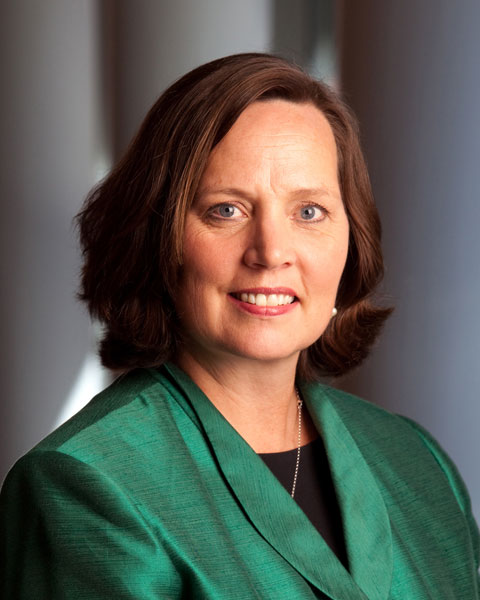
I’ve invited Patsy to reflect on the disease itself, what losing measles elimination status means for kids and families in our community, and how we go forward from here.
Patsy Stinchfield in her own words
Patsy Stinchfield: I was a new nurse practitioner in the late 1980s during another big national outbreak of measles. In Minnesota alone, we had 440 cases, mostly in toddlers. Three unvaccinated children died during the outbreak, two at our St. Paul hospital where I worked. It changed me forever knowing kids died unnecessarily and miserably from a vaccine-preventable disease.
The most contagious disease there is
Measles is more contagious than any other disease, and it stretched our St. Paul hospital to the limit. We turned an entire unit into a measles ward with negative air handling. We had kids in the intensive care unit on ventilators, and we had to figure out how to keep children with measles separate from other kids in our emergency room. One in five unvaccinated people with measles will require hospitalization. One to three in 1,000 unvaccinated people with measles will die of it.
The children who died during that outbreak still haunt me today. They stayed home too long while they were sick, and by the time they got to the emergency room, there was very little that could be done. There was no antiviral medication to treat measles then, and there is still none today. The fact that three young children died of a vaccine-preventable disease was shocking and heartbreaking. But we learned some crucial lessons during that outbreak. We worked diligently for years until, in 2000, we finally achieved measles elimination status from the World Health Organization.
What we have lost and what it means
But now the status we worked so hard to attain is gone. We lost it because measles has been spreading continuously in our country for more than a year. For us in healthcare, this means we keep our suspicions for measles high and promptly assess a child who has a fever and a rash for possible measles. We isolate patients quickly so that a waiting room of vulnerable people aren’t exposed, causing more spread of the highly contagious disease.
If a waiting room is full of infants too young to be vaccinated or kids whose immune memory is very low from chemotherapy or immune suppressive drugs, 90% of them could get measles. Each one of those individuals would then go on to infect another 12 to18 people because the tiny virus spreads simply by breathing it out where it can stay in the air for up to two hours. The good news is that our Children’s Minnesota staff are well trained to identify potential measles cases and isolate them fast. We also have a highly vaccinated staff and air handling systems in our emergency departments to remove the virus quickly.
The risk of catching measles is highest for the children who can least protect themselves. Babies are not vaccinated against measles until they are about 1 year old. Communities need 95% of people vaccinated to stop outbreaks. It’s heartbreaking to see that kindergarten MMR (measles, mumps and rubella) coverage in Minnesota is now the third lowest in the country.
What each of us can do
Today, an outstanding vaccine that has been proven safe and effective for more than 60 years, is surrounded by misinformation. To regain our measles elimination status, we need to rebuild trust and increase MMR vaccination rates across the country. We must all share the responsibility of “public health.”
For the “public” part, that means:
- If you are a parent, please check your child’s vaccine record as well as your own and talk to your nurse practitioner, doctor, school nurse or pharmacist about your MMR questions.
- 90% of parents vaccinate their children on schedule. If you are one of those, please speak up on social media, or in person with your family and friends, about how vaccines save lives.
- If you are an adult who is not sure if you need an MMR, you can check your vaccine history at your clinic or on the Minnesota Department of Health website. As a condition of employment, Children’s Minnesota staff have to show immunity to measles to keep our vulnerable patients and co-workers safe.
- If you are thinking of becoming pregnant, make sure you have had your MMR vaccine before becoming pregnant. Otherwise, you can’t get the vaccine until right after the baby is born.
- If your child has a fever and a rash and you suspect measles, call ahead before coming in. If you have questions, ask our staff. We will listen first. That’s how we put kids first.
What we in healthcare must do
Here is what we need to do for the “health” side of public health:
- Bring the current outbreak to an end by raising vaccination rates. Commit, at the highest levels of public health, to an urgent national response. It must start with clear, consistent, science-based communication about the dangers of measles and the safety of the MMR vaccine, followed by disease surveillance, control and reporting (including weekly reports to clinicians).
- Rejoin the World Health Organization, as a measles case anywhere is a threat to the vulnerable everywhere.
- Fully fund public health at the Centers for Disease Control and Prevention, state health departments and through local grants. Our public health colleagues are working on a crisis while in their own crisis of being understaffed and underfunded.
- Healthcare leaders must see the current urgency and prepare to prevent another outbreak, especially in the Twin Cities metro area; not only to prevent unnecessary human suffering, disability and death, but also to save precious healthcare dollars. New Mexico’s measles outbreak last year cost $53,000 per infection with an overall cost of $5.4 million.
- Clinicians must treat every visit as a vaccine visit and assess their patients’ immunization status. We need to listen first and find out what their concerns are. We need to let them know that we are their partners. To tell parents we are both there for the safety of their child, and we both want what’s best for them.
- Clinicians also need the support, time and reimbursement to have complex conversations with our patients. We must look for new ways to host such conversations, meeting special populations in the community as necessary.
A way forward
There will not be a quick fix to this crisis. To regain elimination status, we must stop the outbreaks, increase our surveillance and public health responses, and then go a full year without measles continuously spreading. Other countries have done it and we can, too.
As sad and scary as this crisis is, it’s an opportunity to redouble our efforts to build back that wall of community immunity, brick by brick, one patient at a time, so no newborn, child, teen, pregnant person or adult has to experience the misery of measles. We must then learn, once and for all, that we cannot take our foot off the gas when it comes to public health prevention. Children depend on us to speak up for them. They depend on us to keep them safe.
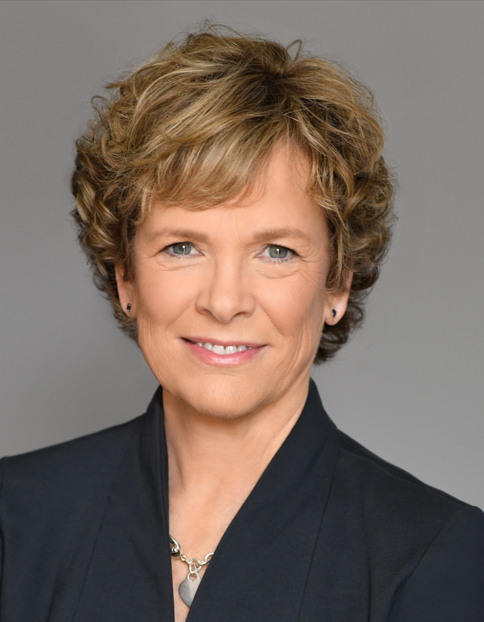
Emily Chapman, MD
President and CEO of Children’s Minnesota
With more than 30 years in pediatric health care, Dr. Chapman is deeply committed to delivering exceptional care and experiences for patients, their families, staff and the community.
Follow Dr. Chapman on LinkedIn.