
I recently viewed a display at the airport that read:
Freedom 250
Celebrate 1776
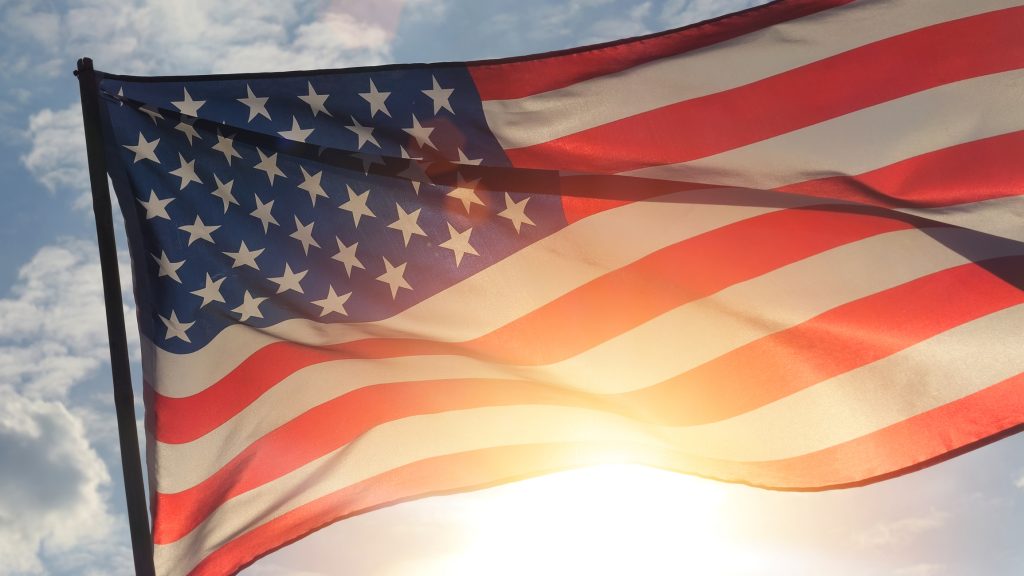
If you view the display and the accompanying “Freedom 250 Mobile Museum” now traveling the country, think about these things: enslaved African Americans were not free in 1776; Native Americans had endured a century of betrayal, disease and bloodshed in this country prior to 1776; and women could not vote in 1776.
Who was free in 1776? We were not all “free.”
The truth about freedom in Minnesota
In Minnesota, a northern state, many of us were taught to think slavery only happened down south, and that freedom existed in the north during this time. This was not the case. Slavery was illegal here on paper, yet Black men, women and children were still forced to live and work in Minnesota in the 1800s.
Among them were Dred and Harriet Scott, who were brought to Fort Snelling (across the highway from MSP airport) by officers in the U.S. Army. Their time living and working at the fort gave them the groundwork for one of the most notorious Supreme Court cases in American history.
The ruling in Dred Scott stated that enslaved or free enslaved people (like Dred Scott) were not U.S. citizens and consequently had no right to sue in federal court. The court went on to hold that descendants of slaves had “no rights which the white man was bound to respect.” The Dred Scott case was decided in 1857, almost 100 years after the freedom of 1776.
Eliza Winston, another enslaved woman who is a part of Minnesota history, bravely fought for and won her freedom in Minnesota. She was the only enslaved person to do so in our state. This case was decided in 1860.
Why this history matters now
I’m sharing these stories because this summer we’re celebrating Juneteenth, the 1776 birth of our country and our 250-year history. It’s a good time to learn that the history of slavery, women’s voter suppression and Native American genocide are closer than you might think, and to see how history and health are intertwined.
The conditions that determine a child’s health and well-being, their economic stability, education, whether their family trusts the healthcare system or not, are all connected to events in our country’s history. Has the child and their family historically been included or excluded? Have they had access to the many things that help kids grow up healthy, or were they denied access?
The barriers people face today didn’t appear out of nowhere. How people have been treated throughout history influences how they are received by others. Systems that were historically designed to exclude them can damage their physical and mental well-being. This history must never be forgotten or ignored.
What this means at Children’s Minnesota
At Children’s Minnesota, we serve children and families from many cultures, backgrounds and experiences. We strive to embed our equity and inclusion work in everything we do because we want every child, family and staff member to feel welcome, respected and supported. Part of this work is understanding the systems and events that have shaped the opportunity, access and trust our families do or don’t have.
Juneteenth: understanding and celebration
Juneteenth invites us to understand this broader history. It’s a federal holiday that honors the day, on June 19, 1865, when more than 250,000 enslaved African Americans were finally told they were free. Great news, but it was delivered incredibly late: more than two years after the Emancipation Proclamation.
Juneteenth is a time to celebrate freedom, to honor Black resilience and to tell the truth about the gaps in our history. To see the distance between where we are today and where we want to be. When we’re willing to face our history and our reality honestly, we’re better prepared to build something better. In the words of James Baldwin, “not everything that is faced can be changed, but nothing can be changed until it is faced.”
What we can do today
This year, I hope you let Juneteenth move you beyond reflection and into action. I urge you to learn about our history. Support Black-owned businesses. Attend a community event. Talk with children about freedom, fairness and belonging in ways they can understand.
I hope Juneteenth and the 250th celebration of our country encourage you not only to celebrate, but to learn more deeply, and commit yourself to a future where freedom, dignity and opportunity are real for every child and every family. Face the history of Juneteenth and 1776 so we can make a positive change.
This is why history, Juneteenth and 1776 all matter at Children’s Minnesota.
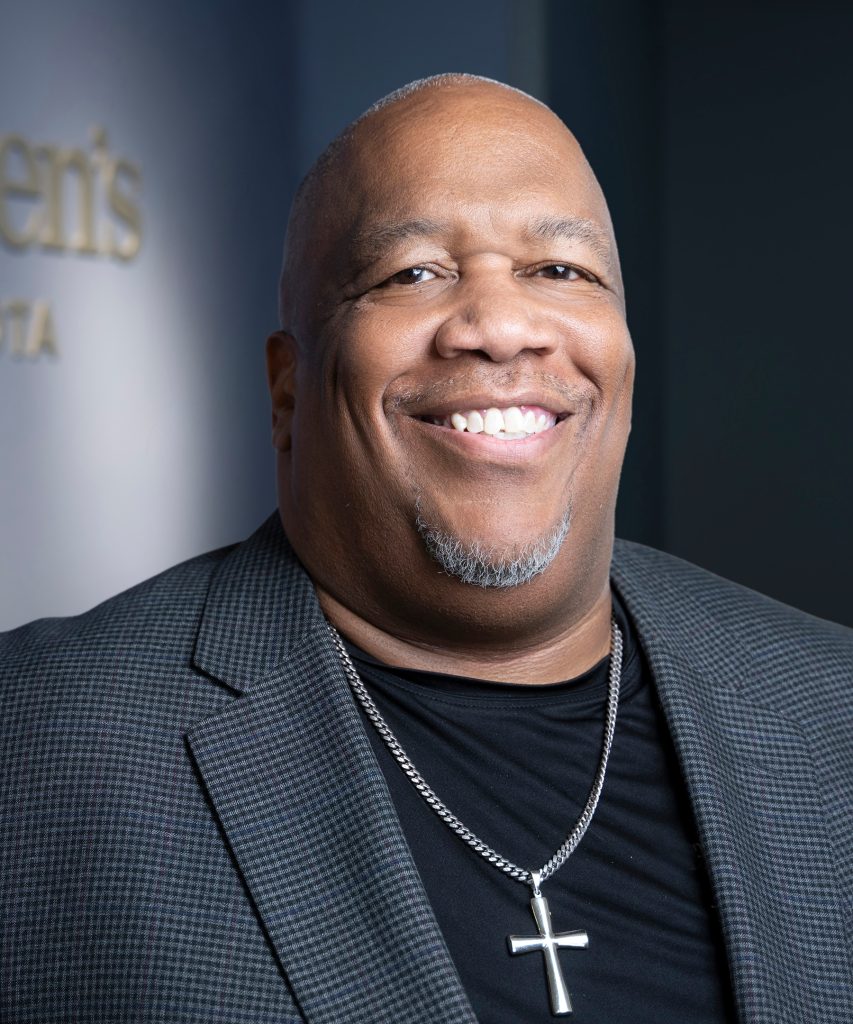
James Burroughs
Senior vice president, government and community relations, chief equity and inclusion officer
James Burroughs joined Children’s Minnesota as its first chief equity and inclusion officer in 2019. He is responsible for advancing equity and inclusion in all parts of the organization.
Follow James on LinkedIn.