

At Children’s Minnesota, kids come first. But their caregivers are important, too. I’ve honored moms in my blog before, so this year I want to honor dads. Specifically, my dad.
Growing up in inner city Detroit, I searched for heroes to look up to. Sometimes I looked in comic books, but very few of those superheroes looked like me.
I searched for heroes in the world of sports and entertainment. I found a lot of heroes who looked like me there. One of my favorites was a Black dancer named Mr. Bojangles. He danced with a little girl named Shirley Temple on my television every Sunday before church. They danced well, always in sync. I tried to forget that Mr. Bojangles served the family and wore a butler suit most of the time, and that they probably could never use the same lunch counters or water fountains.
I searched for heroes in history books as well. Some of them were named Washington, Lincoln, Kennedy and Columbus. Most of them didn’t look like me either. Some didn’t seem to do much for people like me. History book heroes sometimes aren’t heroes at all. Sometimes history books leave the impression that people like my dad can’t be heroes. Nothing is further from the truth.
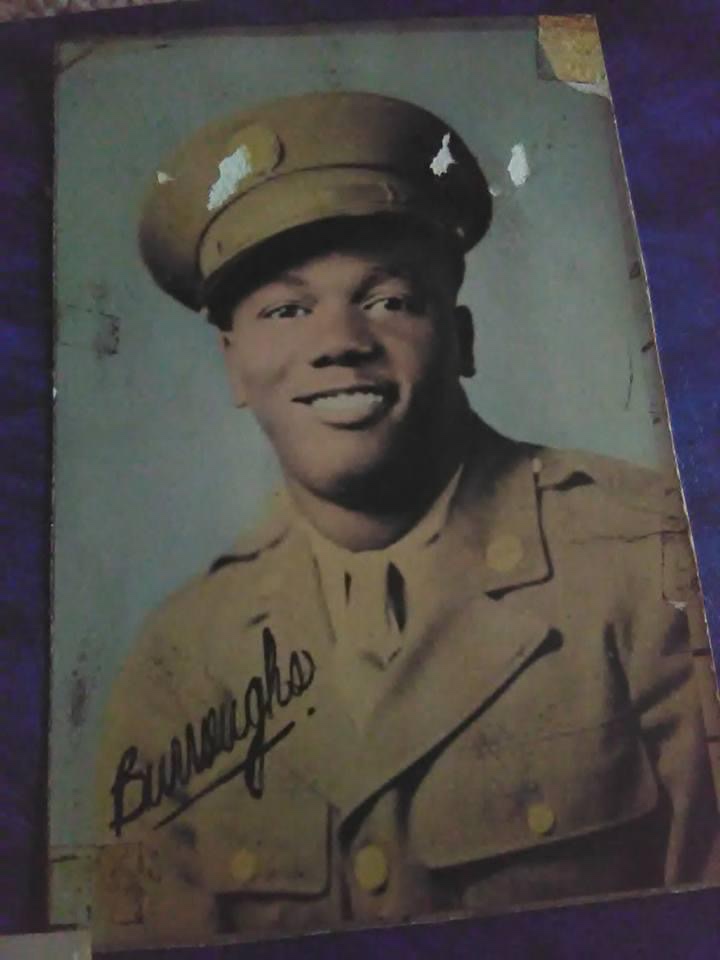
My dad’s heroism wasn’t obvious to me growing up. My dad wasn’t an entertainer or athlete, although he played baseball in the Army and was a Korean War veteran. He didn’t wear a cape like a superhero (but he did dress very well).
My dad was born in 1924 in Birmingham, Alabama. He had to endure being called the N-word everyday by white people. My dad was forced to use separate water fountains, toilets and entrances to so-called public accommodations. My dad was forced to watch kids like him be lynched for so-called looking at or whistling at a white woman.
My dad, his four siblings and the rest of their family consistently had to endure the heinous behavior of the Ku Klux Klan. In fact, the governor of Alabama said, “segregation now, segregation tomorrow, and segregation forever!”
My dad eventually moved to Detroit, and I was born in 1967, the year of the Detroit riots. At the time, my dad was leading the household with a very pregnant wife and already raising my sister, a little girl named Kim. Dad kept our family safe through the riots and beyond.
My dad’s experiences growing up helped him understand the need to make sure that although grade school taught me there were no Black heroes in my history books, there were plenty of Black heroes in my city. Dad made sure I met the owners of businesses, the presidents of companies and the leaders in the community who looked like me. He also taught me the value of looking beneath the surface and making sure you don’t accept anyone else’s version of history about you or your community.
My dad died in 1989 at the age of 64. He didn’t live long enough to see me graduate from college or law school. He didn’t live long enough to meet his granddaughter Teresa and see all the firsts in her life. My dad missed all the accolades bestowed upon me, including becoming the first chief inclusion officer for the State of Minnesota.
But none of this would have been possible without his investment in me. I carry my dad’s lessons with me every day, making sure everyone who comes to Children’s Minnesota feels respected, included and valued. Every child should see themselves in the people who care for them. Every child should have a hero.
My dad is my hero.
Thank you, dad, for showing me all the things that I can be.
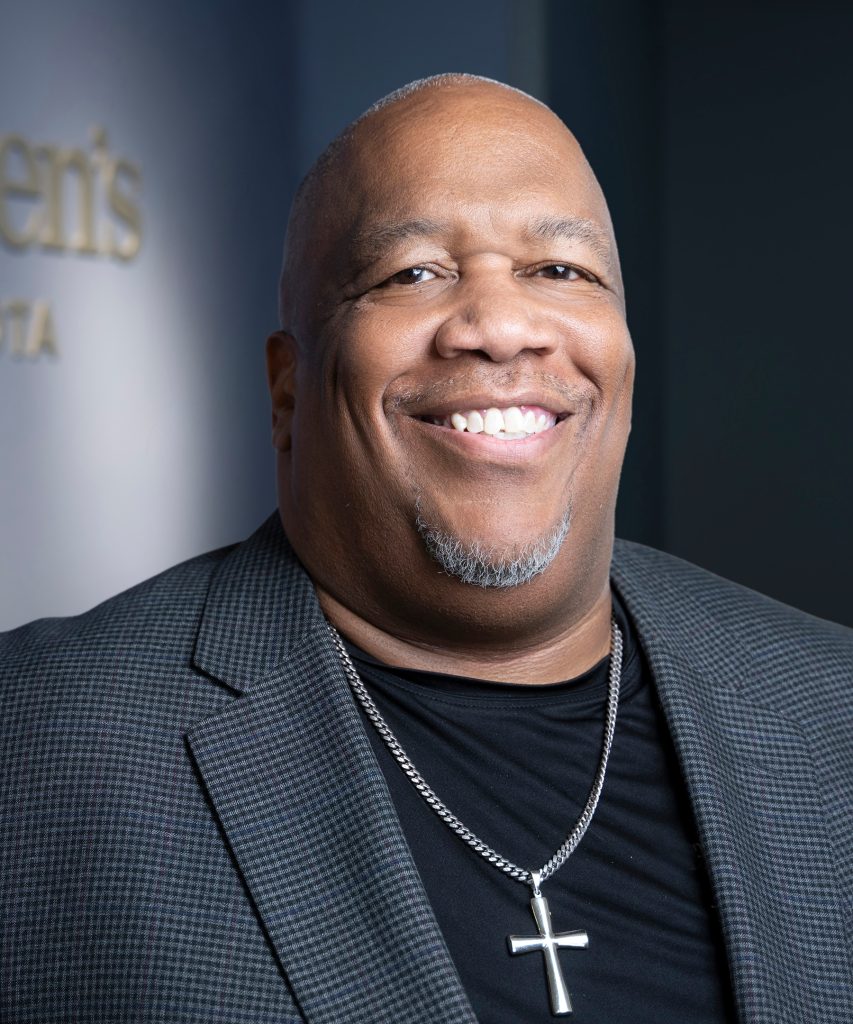
James Burroughs
Senior vice president, government and community relations, chief equity and inclusion officer
James Burroughs joined Children’s Minnesota as its first chief equity and inclusion officer in 2019. He is responsible for advancing equity and inclusion in all parts of the organization.
Follow James on LinkedIn.