
Co-authored by a Children's Minnesota physician, the study published in the New England Journal of Medicine evaluated the first FDA-approved treatment specifically for acquired hypothalamic obesity
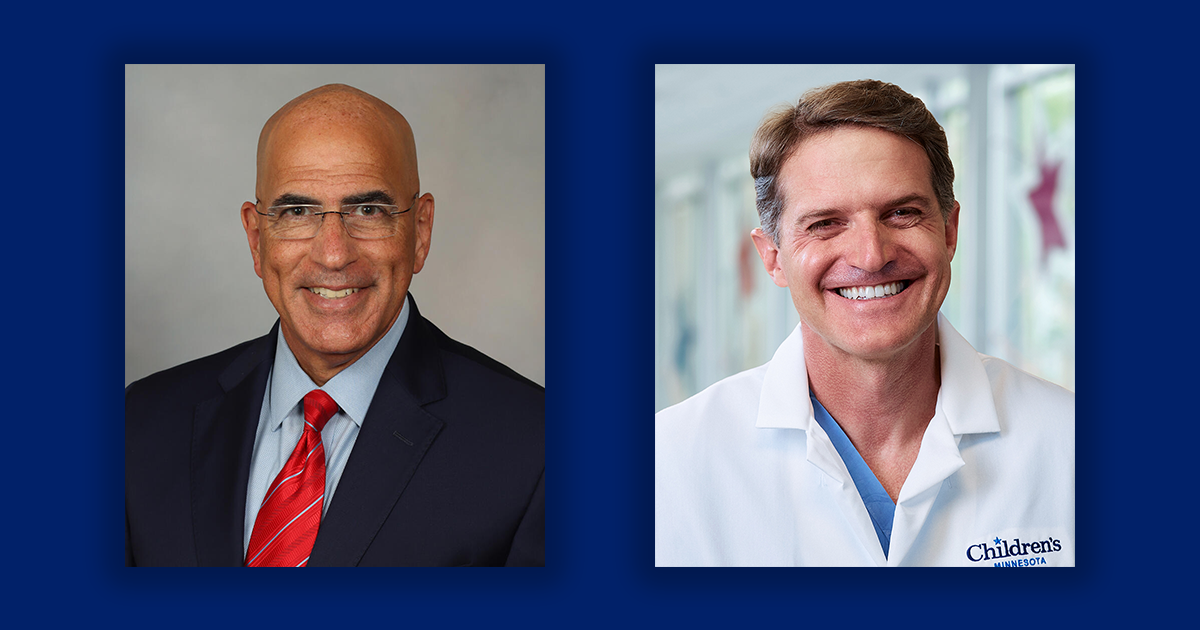
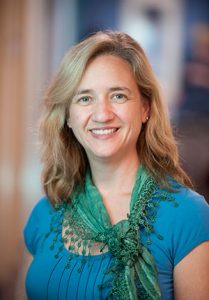
MINNEAPOLIS/ST. PAUL (July 13, 2026) – A new study published in The New England Journal of Medicine found that a targeted treatment significantly reduced weight and hunger in children and adults with acquired hypothalamic obesity (HO), a rare condition most commonly caused by a brain tumor, tumor treatment or other injury to a part of the brain called the hypothalamus. M. Jennifer Abuzzahab, MD, a pediatric endocrinologist at Children’s Minnesota who cares for children with complex endocrine conditions, was among the study’s co-authors.
Learn more about diabetes and endocrine care at Children’s Minnesota.
The study, known as the Phase 3 TRANSCEND trial, is the largest and longest placebo-controlled clinical trial ever conducted in patients with acquired hypothalamic obesity. Researchers evaluated the safety and effectiveness of setmelanotide in 120 children and adults age 4 and older over a 52-week period.
The hypothalamus helps regulate hunger, energy use, and body weight. When it works appropriately, you feel full after eating and your body uses the calories you ate for energy. When it is damaged, the brain simultaneously signals hunger and tells the body to store more of the energy that was eaten; this results in rapid weight gain that often does not respond to traditional weight-management approaches. Acquired hypothalamic obesity most commonly occurs after treatment for brain tumors such as craniopharyngioma, astrocytoma or other hypothalamic-pituitary tumors.
“The children and families affected by acquired hypothalamic obesity face challenges that are difficult for most people to imagine,” said Dr. Abuzzahab. ” After treatment of their brain tumor, many patients experience rapid weight gain due to an increase in hunger and decrease in energy expenditure resulting from the damage to the hypothalamus. Medications traditionally used for appetite suppression or weight management are not effective in treating hypothalamic obesity. These findings offer hope that we may finally have a therapy that directly addresses the underlying biology of the condition.”
For a closer look at how acquired hypothalamic obesity affects children and families, read the Star Tribune story, “Treatment found for cruel side effect of brain tumors: rapid obesity,” which shares the experiences of a Children’s Minnesota patient living with the condition.
In the study, participants treated with setmelanotide experienced an average 16.5% reduction in body mass index (BMI) after one year, compared with a 3.3% increase in BMI among participants receiving a placebo. Researchers also found that 80% of patients receiving the treatment achieved at least a 5% reduction in BMI and experienced meaningful improvements in hunger.
For many families, the abrupt change in hunger can be one of the most challenging symptoms of acquired hypothalamic obesity. Children may feel constantly hungry, think about food throughout the day and struggle with behaviors related to food seeking. These symptoms can affect school, social activities, independence and overall quality of life.
The study also found that the treatment was generally well tolerated, with no new safety concerns identified during the trial.
“While weight loss is important, families often tell us that reducing hunger can be just as meaningful,” said Dr. Abuzzahab. “When children are no longer constantly focused on food, they can spend more time learning, playing, building friendships, and participating in everyday activities.”
The findings contributed to the FDA approval of setmelanotide as the first treatment specifically approved for acquired hypothalamic obesity, marking an important step forward for children and families who have historically had limited options for managing this rare and complex condition.
About Children’s Minnesota
Children’s Minnesota is one of the largest pediatric health systems in the United States and the only one in Minnesota devoted exclusively to children, from before birth through young adulthood. An independent and not-for-profit system for more than 100 years, Children’s Minnesota offers more than 60 pediatric specialties through its two hospitals, nine primary care clinics, seven rehabilitation and eight specialty care sites throughout the Twin Cities metro area. The Kid Experts® at Children’s Minnesota are chosen by more families than any other pediatric health system in the region.
Please visit childrensMN.org.
###