
This blog was reviewed by Amanda Schafter, CPST-I, COTA/L, child passenger safety coordinator at Children’s Minnesota.
Did you know? More than half of pediatric vehicular heatstroke deaths involve a child unintentionally forgotten by a caregiver, according to NoHeatStroke.org. Most hot car tragedies are unintentional. Prevention starts with awareness, routines and grace – not judgment. These tragedies can be preventable and education can help save lives.
Below we are sharing more about hot car tragedies and offering strategies to help prevent them. Our sources and resources came from: Safe Kids Worldwide, Buckle Up Minnesota and NoHeatStroke.org.
What is a hot car tragedy?
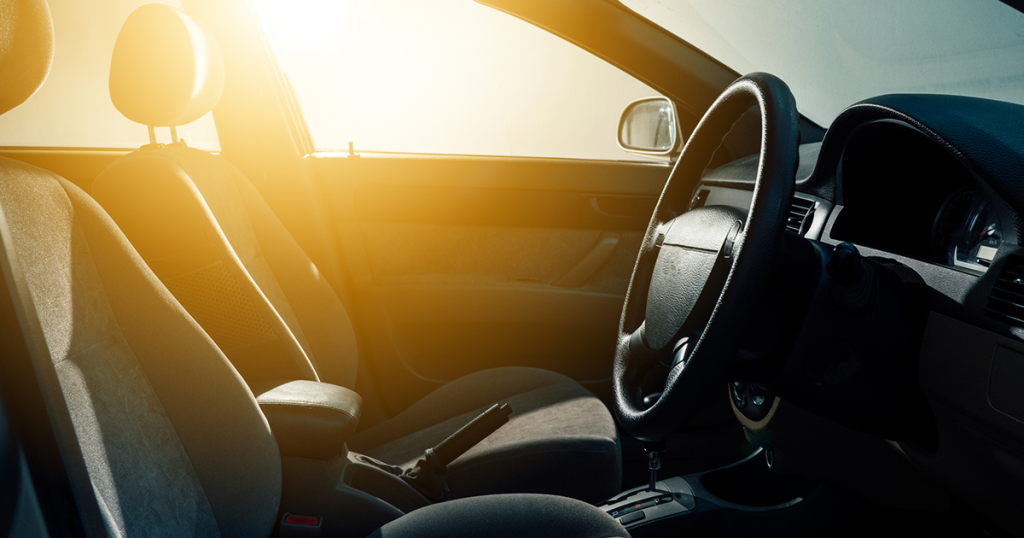
A hot car tragedy happens when a child is left in or gains access to a vehicle and suffers serious injury or death from heatstroke. A child’s body heats up 3-5 times faster than an adult’s, and temperatures inside a vehicle can become deadly very quickly – even on mild days.
How do hot car tragedies happen?
Most hot car tragedies are unintentional and often involve:
- Changes in routine
- Stress or sleep deprivation
- Distractions or busy schedules
- A quiet or sleeping child in the back seat
Hot car tragedy prevention tips and strategies
Tip 1: Look before you lock
Get in the habit of checking the entire vehicle – especially the back seat – every single time you park. Before locking your vehicle:
- Open the back door every trip.
- Check all seats and rows.
- Make “look before you lock” part of your routine.
Even loving, responsible caregivers can experience memory lapses during stressful or disrupted routines.
Tip 2: Use visual reminders
Create reminders that help interrupt “autopilot” routines. Try placing something you need in the back seat:
- Purse or work bag
- Phone
- Employee badge
- One shoe
You can also:
- Place a stuffed animal in the front seat when your child is buckled in.
- Use daycare check-in calls or alerts.
- Share transportation plans clearly between caregivers.
Visual reminders can help reduce the risk of forgetting during busy or stressful days.
Tip 3: Create consistent drop-off routines
When routines change, risk increases. Create habits that help everyone stay on track:
- Keep drop-off responsibilities consistent when possible.
- Text or call to confirm daycare/school drop-off.
- Ask childcare providers to contact you if your child does not arrive as expected.
- Communicate schedule changes clearly between caregivers.
Routine disruptions are a common factor in many hot car tragedies.
Additional important reminders
Never leave a child alone in a vehicle
Never leave a child alone in a vehicle – not even for a minute.
- Cracking windows does not keep a car safe from hot car tragedies.
- Vehicles can heat dangerously fast, even in cooler weather.
- Always lock vehicles and keep keys out of children’s reach.
If you see a child alone in a vehicle:
- Call 911 immediately.
- Get the child out if they appear in distress.