
The health system recently received a $3 million grant from United Health Foundation to support its work addressing disparities
Each year, children get sick with influenza, or the flu. Some of them get so sick they need to go to the hospital for treatment. A disproportionate number of those who are admitted are kids of color. According to Children’s Minnesota’s flu admission data from the 2022-2023 flu season, approximately 75% of Black/African American patients and approximately 71% of Hispanic/Latino patients admitted with the flu were not vaccinated prior to admission.
To reduce the flu vaccination disparity, the Health Equity team and Collective for Community Health at Children’s Minnesota developed a new, data-driven approach to their community vaccine clinics thanks to a grant from the United Health Foundation.
Data deep dive
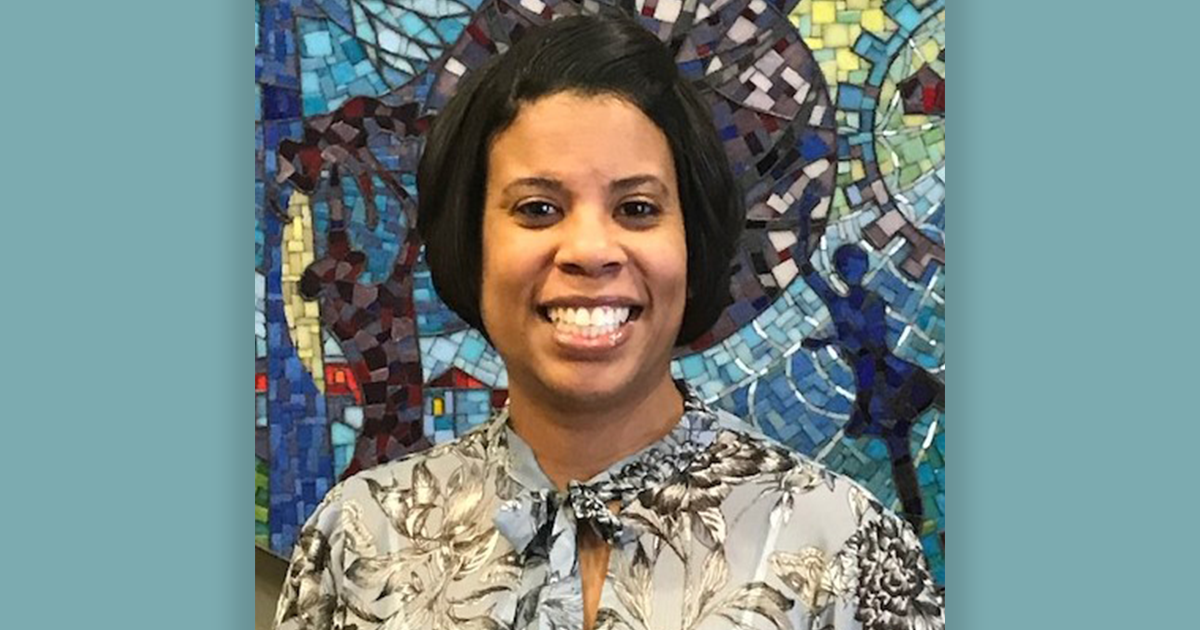
Adriene Thornton, manager of Health Equity at Children’s Minnesota, and her team decided to act after reviewing the health system’s admission data from September 2022 to February of 2023 – during which 6,000 kids were admitted for flu. While the flu vaccine is not perfect, studies show it can make symptoms less severe and keep kids and adults out of the hospital.

The admission data was analyzed to find out the Minneapolis or St. Paul neighborhoods where the unvaccinated kids lived. Knowing where flu vaccination disparities exist has allowed Children’s Minnesota to be more deliberate when planning where to provide community vaccine clinics. Once the neighborhoods with high rates of unvaccinated children were identified, the Collective for Community Health went to work by partnering with schools and community organizations in those areas to coordinate flu vaccination events. The goal – get children vaccinated before the next flu season begins.
Building trust
This work is more than improving access to vaccines, it’s also about building trust in historically underserved and underrepresented communities. The Children’s Minnesota Health Equity team goes to the clinics to talk with families who are hesitant or have questions because of misinformation they may have heard about vaccines. Plus, together with the Children’s Minnesota Simulation Center, the team has provided learning opportunities to help school health staff to address vaccine hesitancy.

“Our goal is to improve vaccination rates of school-aged children through education about the safety and importance of the influenza vaccine,” Adriene said.
United Health Foundation partnership
Children’s Minnesota has wanted to do this type of analysis on its flu admission data for some time. Thanks to a $3 million grant from United Health Foundation, it was possible. The grant is aimed at addressing pediatric health disparities, including vaccinations, mental health and asthma.
“The grant gives us the time with experts to do the data research, cover the cost of the vaccines and pay the people who will be vaccinating the kids. We would not be able to do this without the grant,” Adriene said.
“These flu vaccine clinics are one example of what’s possible when we work together to address health disparities to improve the lives of kids and families in our communities,” said Dr. Ethan Berke, Chief Public Health Officer of Optum, part of UnitedHealth Group. “Children’s Minnesota is doing important work to advance health equity by partnering with the community. This is work that we are honored to support.”
The grant is enabling the development of programs by the Children’s Minnesota Health Equity team and the Collective for Community Health, which are focused on improving community health and advancing health equity by working with community partners and organizations.
“The community flu vaccine clinics are only the beginning of the innovative health partnerships we will develop to eliminate health disparities thanks to the grant,” said Lauren Gilchrist, senior director of the Collective for Community Health.