From patient to nurse: Luke Bonte turns his cancer journey into a life of care
As a 16-year-old high school athlete, Luke Bonte was always active. He played multiple sports and spent hours training with his teammates. But during football practices one spring, something felt off. He had a cough, trouble swallowing and night sweats. At that age, he didn’t think it was anything serious. He tried to push through. Then one hot day at practice, he couldn’t catch his breath. He kept going — until he passed out.
A sudden diagnosis changes everything
Luke was rushed to an emergency room where doctors found a large mass in his chest.
“They were worried it could be cancer,” Luke said. “Even then, I didn’t really believe it.”
He was rushed by ambulance to Children’s Minnesota. The next day, in the pediatric intensive care unit (PICU), Luke and his family met with his care team from the cancer and blood disorders program and received the diagnosis: lymphoblastic lymphoma.
In less than 24 hours, Luke’s life had completely changed.
Shine Bright for Kids
Every September, during Childhood Cancer and Sickle Cell Awareness Month, we unite to support children living with cancer and blood disorders. Your gift helps provide extraordinary care for every child and family we serve.
Luke’s condition was serious. The tumor was pressing on his lungs — one had fully collapsed, and the other was only partly working. His care team acted quickly.
A chest tube was placed to help him breathe, and a port was inserted for chemotherapy. Treatment began within days of his arrival.
Luke spent about a month in the hospital as doctors stabilized him and started intensive chemotherapy. Much of that time is a blur, he said, but one thing stood out: the people caring for him.
Three years of treatment — and unwavering support
Luke’s cancer treatment lasted about three years. The first year was the most intense, with frequent hospital stays, IV (intravenous) chemotherapy and spinal taps. Over time, treatment shifted to oral medications and less frequent visits. Slowly, Luke began to feel stronger.
Throughout it all, the adolescent and young adult (AYA) cancer team at Children’s Minnesota focused on more than treating his cancer. The team worked to support Luke as a whole person, helping him stay connected to the life he loved.
When Luke wanted to attend prom, his care team made it happen.
“I missed football and so many other things my friends were doing. Even when you have a strong community around you, it’s hard not to feel left behind. Being able to still go to events like prom mattered a lot. They really tried to help me keep some normalcy while staying on track with treatment,” Luke said.
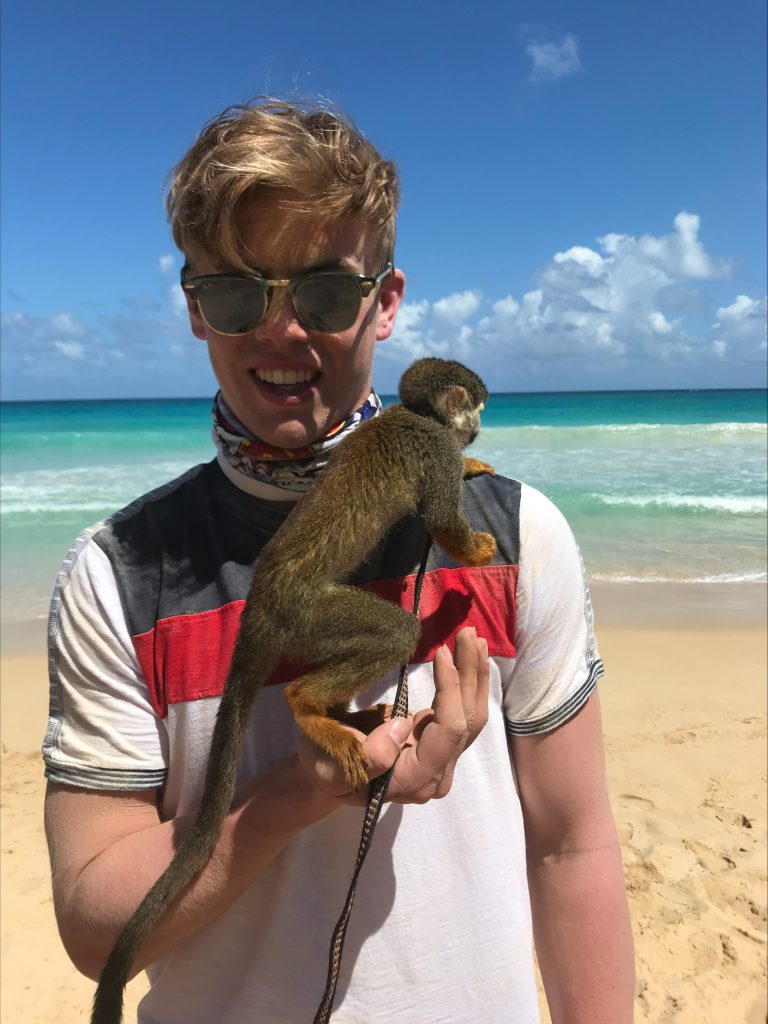
They also helped him safely plan for his senior trip. The team provided clear guidance, supplies and emergency contacts so he could travel and enjoy time with his classmates.
“Luke’s journey shows the strength and resilience we see in so many adolescents and young adults facing cancer. Our goal is always to treat the disease while also supporting the whole person, helping patients stay connected to their lives, their goals and the moments that matter most,” said Luke’s primary oncologist, Michael Richards, MD, PhD.
Luke on his high school senior trip.
Care extended beyond the hospital, too. Luke’s team coordinated home health services, offered parking support and helped reduce travel whenever possible.
Inspired by the nurses who cared for him
One group made a lasting impression on Luke: his nurses. He recalls building strong relationships with members of his care team, including a clinic nurse he could joke with and a case manager who helped coordinate every part of his care.
“A good nurse can make or break your hospital stay,” Luke said.
Those experiences inspired his future.
Full circle: now caring for others
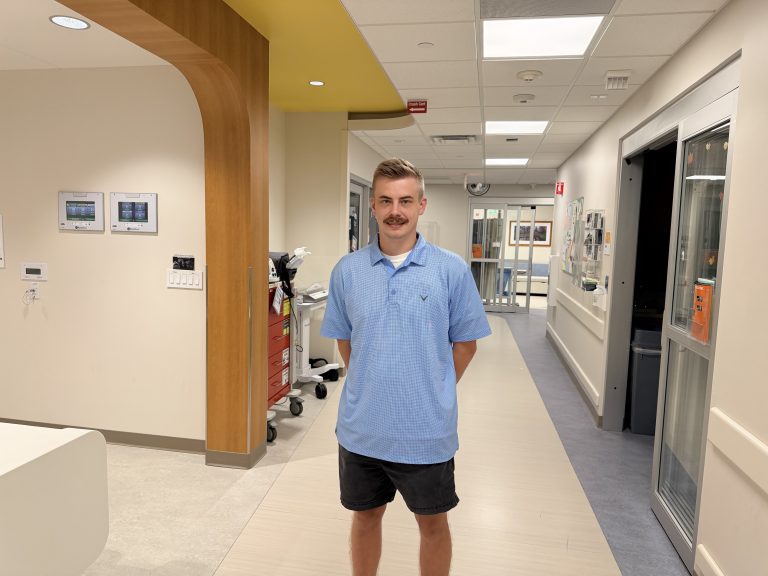
Today, Luke is a nurse in oncology and hospice care. He uses his own experience to connect with patients and families facing difficult diagnoses.
“I really love being there for people and helping them through hard situations,” he said.
He knows firsthand how important compassion and communication are during treatment.
Life after cancer — and looking ahead
Luke finished treatment in 2020. His recovery included additional challenges, including hip surgeries related to treatment side effects. Today, at age 25, he says he feels like he’s on the other side.
“I’m not dealing with those medical issues day to day anymore, and I feel like I’m moving forward with my life,” Luke said.
Luke with his girlfriend.
He spends his free time golfing, hiking, fishing and enjoying the outdoors. He’s also thinking about traveling and taking the next steps in life.
Looking back, Luke says the mental challenge of cancer was just as tough as the physical one.
“The mental side is going to be just as important,” he said. “You have to stay positive and surround yourself with people who support you.”
When your child’s head pain interrupts school, activities or family time, you want to know what is wrong and how you can help. Migraines in children can be painful and...
In this role, Pratt will provide leadership and oversight for undergraduate medical education, graduate medical education and health professional education programs across the system....