
This blog was medically reviewed by Steven Janousek, MD, neurologist at Children’s Minnesota.
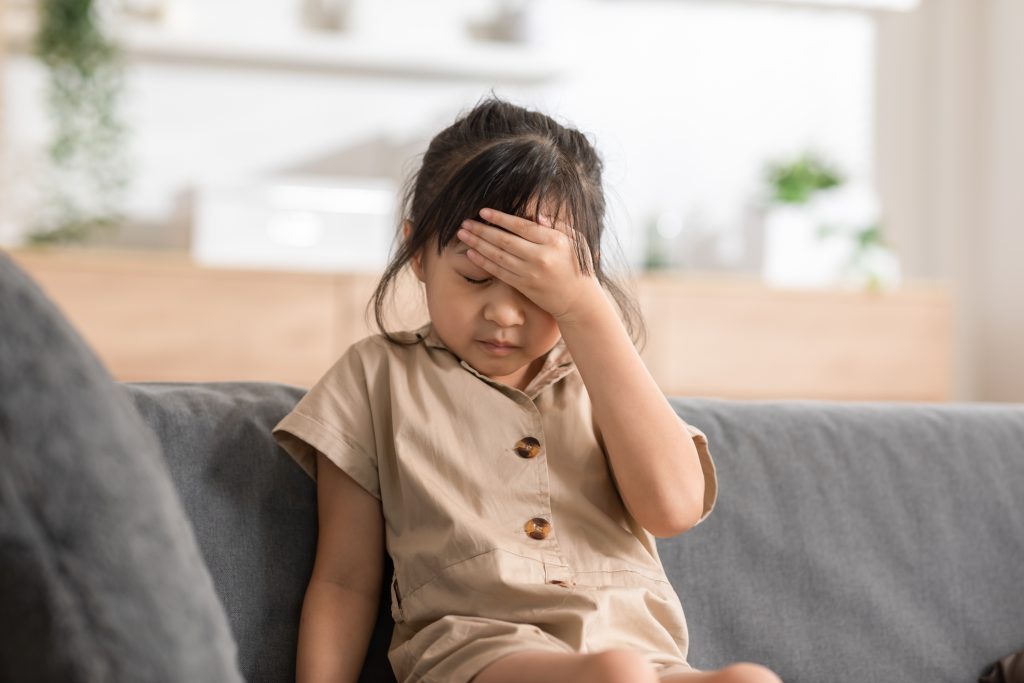
When your child’s head pain interrupts school, activities or family time, you want to know what is wrong and how you can help. Migraines in children can be painful and disruptive, but identifying symptoms and triggers can help families find the right treatment.
A migraine is more than a bad headache. It can cause nausea, dizziness, vomiting and sensitivity to light, noise or smells. Some children also experience warning signs before the pain begins. Understanding the symptoms, causes and treatment options can help you support your child and know when to contact a healthcare provider.
Learn how the Children’s Minnesota neuroscience program supports children with brain and nervous system injuries and illnesses.
What are migraines in children?
Migraines are recurring headaches that can cause intense, throbbing pain and other symptoms. Unlike an everyday headache, a migraine may make it difficult for a child to attend school, play sports or complete normal activities. Although childhood migraines can be disabling, they can often be managed with medical care, routines and an understanding of the child’s personal triggers.
What is a migraine?
A migraine is a type of recurring headache that may affect one or both sides of the head. It can be hard to figure out the exact cause of a migraine, but it is thought to possibly be caused by a genetic difference in the brain’s ion channels.
Migraines typically involve a headache, but can also cause vision problems, nausea, vomiting, paleness, and other symptoms.
Tension headaches usually cause dull, steady pressure or squeezing. Migraine headaches are more likely to cause pounding or throbbing pain, nausea, vomiting or sensory sensitivity.
How common are migraines in children?
Headaches are common in children and teens, but many people wonder: Can kids get migraines? With migraines, these often run in families.
Even toddlers can have migraine phenomena which can often show up as occasional bouts of vomiting. Then in a year or two, it’s likely they’ll be able to verbalize they are experiencing a headache with their vomiting spells.
Before age 10, migraines affect boys and girls in similar numbers. After age 12, they affect girls more often than boys. Changes in hormones may be one reason migraines change during the teen years.
What are the stages of migraines?
A migraine can have up to four stages, but not every child experiences every stage. The symptoms and timing may also change from one migraine to the next.
- Prodrome: Hours or days before the headache, someone may feel tired, irritable, unusually energetic or thirsty. They may also crave certain foods. This is much more common in adults than children.
- Aura: Brief changes to their senses may happen shortly before the headache. These can include blurred vision, flashing lights, spots, jagged lines, tingling or an unusual smell.
- Headache: Throbbing pain begins on one or both sides of the head. Movement, light, sound or smells may make your child’s symptoms worse.
- Postdrome: After the pain improves, your child may still feel tired or need time to return to normal activities.
Learn how the Children’s Minnesota neurology team diagnoses and treats neurological conditions in children.
What are the symptoms of pediatric migraines?
Migraine symptoms in kids can include more than head pain. Some people wonder: Do babies get headaches? Younger children may not be able to explain what hurts. Instead, parents may notice that a child is less active, irritable, pale or flushed. The child may also want to sleep or avoid lights and noise.
Common symptoms of migraines in kids and teens include:
- Pounding or throbbing pain on one or both sides of the head
- Pain that gets worse with physical activity or rapid movement
- Nausea
- Vomiting
- Stomach pain
- Sensitivity to light
- Sensitivity to sounds or smells
- Dizziness
- Tiredness
- Changes in appetite
- Visual changes, such as spots, halos or flashing lights
Migraines may last from 30 minutes to several hours. Some can continue for a day or two.
What causes childhood migraines?
What are childhood migraine causes? Unfortunately, experts do not know exactly what causes migraines in children. They believe migraines may be linked to changes in the brain and the way nerves send pain signals. Family history can also play a role; almost all people with migraines have a first-degree relative with a migraine history. If a parent or close family member has migraines, a child may be more likely to have them too.
Most migraines do not have a single cause. Instead, several factors can work together to trigger them. These may include family history, hormone changes, stress, poor sleep, changes in the brain and things in a child’s environment. Because every child is different, migraine causes and triggers can vary from person to person.
Plus, a head injury (whether a concussion or not) can produce a first-time migraine (often mistaken for a concussion). After that, kids can have intermittent migraine with symptoms similar to those following the first head injury.
How are migraines in children diagnosed?
There is not one test that diagnoses migraines in children. When you meet with your care team, they will likely ask you about your child’s symptoms, medical history, family history, habits and possible triggers. They may also ask when the headaches began, how often they happen, how long they last, where the pain occurs and what makes it better or worse.
A physical and neurological exam can help them look for other possible causes. In some cases, blood tests or imaging tests, such as a CT scan or MRI, may be ordered to rule out another medical condition.
How are migraines in children treated?
Migraine treatment for children and teenagers depends on the severity and frequency of the headaches, the child’s symptoms and how much migraines affect daily life. Because every child’s experience is different, families should work with their child’s healthcare provider or pediatric neurologist to create an individualized treatment plan.
A treatment plan may include one or many of these recommendations:
- Following a consistent sleep schedule
- Exercising regularly
- Drinking enough water
- Eating meals regularly
- Managing stress
- Resting in a cool, dark and quiet room during a migraine
- Using medication to relieve pain, nausea or vomiting
- Using preventive medication when migraines are frequent or severe
- Practicing relaxation or stress-reduction techniques
Before giving your child a pain reliever, read the label carefully and talk with your child’s care team if you have questions.
Can I help prevent my child’s migraines?
Not every migraine can be prevented. However, routines and trigger management may reduce how often migraines happen or how severe they become.
Encourage your child to get consistent sleep, eat regular meals, stay hydrated and exercise.
Help your child plan for stressful events, such as tests, exams or busy weeks. Follow the treatment plan from your child’s healthcare provider, including instructions for medications and what to do when symptoms begin.
What triggers migraines in children?
Migraine triggers vary from child to child. Common migraine triggers in children include:
- Stress
- Dehydration
- Skipping meals
- Too little sleep or a sudden change in sleep
- Hormonal changes
- Caffeine withdrawal
- Certain foods (this is rare but can occur)
- Smoke or strong odors
- Weather changes
A headache diary can help you notice patterns between your child and their migraines. Write down when the migraine happened, how long it lasted, the symptoms your child experienced and anything that may have triggered it. Share the diary with your child’s healthcare provider.
Will my child grow out of migraines?
Migraines can change as kids get older. Some children have fewer migraines over time, while others may continue to have them as adults. Every child is different. Even if migraines do not go away completely, learning what triggers them and following a treatment plan can help your child feel better and take part in school, activities and daily life.
How the experts at Children’s Minnesota can help
Migraines in children can affect school, sleep, sports and family life, but your child does not have to manage their symptoms alone. Keeping track of symptoms and possible triggers is an important first step.
At Children’s Minnesota, we will work with you and your child to help support their migraines by evaluating them, ruling out other causes and helping to create a treatment plan based on your child’s needs.
Our pediatric neuroscience team is top-notch and every aspect of the care we provide is tailored exclusively for kids. We are uniquely qualified to care for your child and your family whenever you need us, for as long as you need us.
Explore the Children’s Minnesota neuroscience program and find specialized care for your child.