
Cerebrovascular and Stroke Program
Pediatric Cerebrovascular and Stroke program
We bring together a team of experts dedicated to caring for kids and adolescents with cerebrovascular diseases, which affect blood vessels in the brain and spine. As one of only a few freestanding comprehensive cerebrovascular pediatric programs of its kind in the country, we offer innovative treatments, a collaborative approach and strong outcomes for families across the region.
Our team provides care for all types of pediatric cerebrovascular conditions, including strokes, from initial evaluations to long-term management. We are committed to supporting every child and family with personalized treatment plans and compassionate care, giving you peace of mind every step of the way.
Make an appointment
We offer easy scheduling for your child’s neuroscience needs.
Conditions we treat
- Pediatric stroke (including neonatal stroke)
- Blood vessel problems in the brain or spine, such as:
- Aneurysms
- Arteriovenous malformations (AVMs)
- Arteriovenous fistulas (AVFs)
- Vein of Galen malformations (VGAMs)
- Dural sinus malformations (DSMs)
- Cavernous malformations
- Moyamoya disease
- Blood clots or blockages in brain veins
- Vascular malformations in the head, neck, or spine
- Rare syndromes linked to vascular issues
- Retinoblastima (intra-arterial chemotherapy)
Why choose the Children’s Minnesota Cerebrovascular and Stroke program
Regional leaders in care: We’re one of the few pediatric programs in the country offering both open surgery and minimally invasive (endovascular) treatments for cerebrovascular diseases.
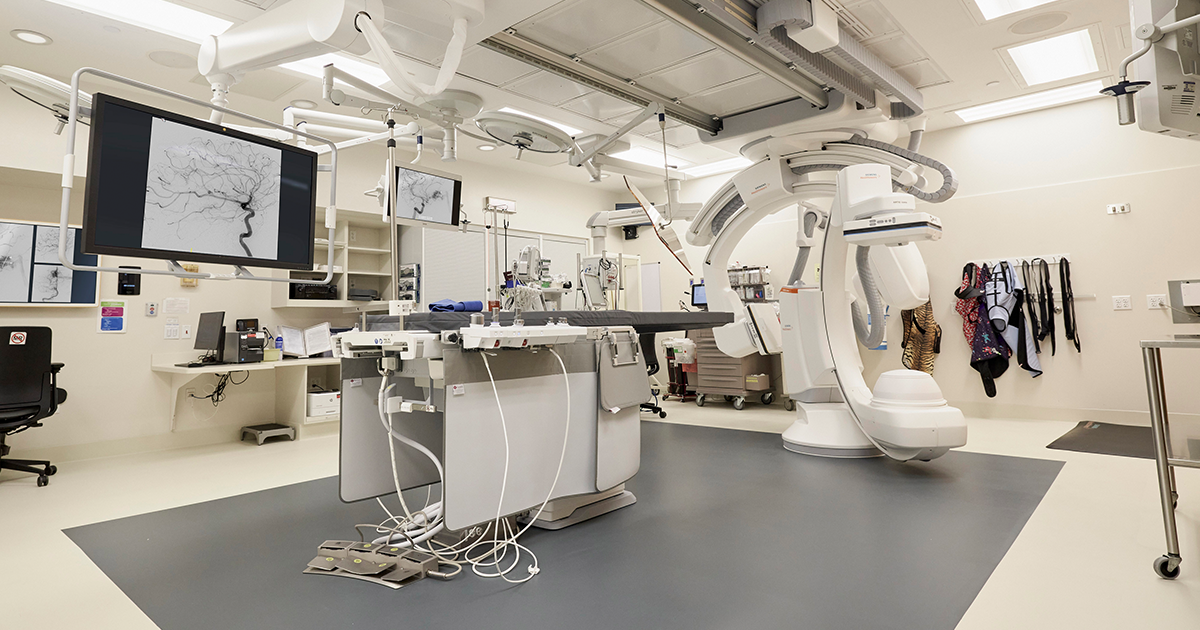
Advance imaging techniques: Our new biplane neuroangiography suite will provide advanced imaging for complex brain and spine procedures, including embolization, to deliver the safest and most effective care for kids and adolescents.
Our collaborative care: We partner with our neurology, neurosurgery, neurointerventional surgery, hematology, oncology, physical therapy, genetics, neuropsychology, and social work.
Innovative technology: We use intraoperative iMRI for precise imaging during surgery.
Clinical guidelines: We have worked with multiple subspecialists to create guidelines and protocols for identifying and treating strokes. These standards help ensure that every patient receives timely and consistent expert care.
Research: We actively engage in the advancement of treatment through international research collaborations such as the International Pediatric Stroke Study (IPSS), which advance treatments of cerebrovascular disease .
Transcranial Doppler ultrasound (TCD): TCD is a safe, painless test that measures blood flow in the brain. It’s especially helpful for children with sickle cell disease, who have a higher risk of stroke. By checking blood flow regularly, TCD can detect changes early and help prevent strokes.
Patient stories