

I was on a radio show not too long ago when a man called in and said something I still remember. The caller stated that, if we want to end racism, we should stop talking about it. We should stop bringing it up. The caller went on to explain that he is supportive of white history and white people and that he should not be judged negatively or ostracized because of those beliefs.
While I do not agree with the premise of the caller, I truly believe in his right to express his beliefs. If we disagree, we need to talk about it openly so we can solve it, but I appreciated the caller for saying out loud what others might quietly be thinking. If we care about creating an equitable and inclusive culture, if we care about being part of the solution to the deep divisions in our country, we must be willing to have a conversation.
And that means strengthening our ability to talk to people we disagree with in a way that is honest, humble and human.
We must be able to disagree and not be disagreeable.
Why this matters at Children’s Minnesota
At Children’s Minnesota, we care for kids and families from many cultures, faiths and identities. More than a third of our patients are African, Asian, Latino or Native American. Families come to us with different levels of trust in healthcare systems. Our staff bring their own backgrounds and experiences, too.
This is all great. And it can sometimes be complicated. It’s normal that we won’t always see things the same way. The question is: How do we show up when we don’t agree? We use our five Children’s Minnesota values.
Kids first
Our first value at Children’s Minnesota is kids first. We’re inspired by their optimism, resilience, and curiosity. We have a lot to learn from kids.
Children ask questions. They’re not embarrassed to say, “I don’t understand.” Adults can sometimes lose that curiosity or willingness to admit we don’t know something. We sometimes assume the worst about people who are different from us. We can do better by using some of the great qualities kids have.
Listen, really listen
Another of our values says each person has a unique story and we should listen to it with compassion.
This can be easy to say and hard to do, especially when someone says something we think is wrong. Our instinct may be to correct, debate or shut the conversation down.
But think about a time when someone changed your mind. Did they do it by preaching at you? By walking away? Probably not. They may have asked you why you believe what you believe. They may have listened with interest and empathy. They may have then shared their view in a way you could hear.
Own outcomes
At Children’s Minnesota, we never stop learning or improving. That works in this case, too.
If a conversation goes poorly, we need to ask ourselves: Did I listen? Did I stay grounded? Did I speak clearly and respectfully?
We need to look at our part in the conversation and then resolve to do better next time.
Join together
Another value says we’re stronger together. We can’t build an inclusive culture alone.
Joining together means we’re committed enough to one another, and to the children and families we serve, to work through our differences and not give up too quickly.
Be remarkable
Being remarkable is about how we show up as people.
In a world that often rewards outrage, it’s remarkable to stay calm. In a world that labels people quickly, it’s remarkable to remain curious. In a world where disagreement can easily turn into disrespect, it’s remarkable to speak the truth with courage and kindness.
Disagree and not be disagreeable
So how do we do this?
We practice. We stay connected to our values. And when we get it wrong, because we will sometimes, we come back and try again. We can be passionate and not offensive. We can be louder than others and not drown out the sound. We can be different and not divisive.
Not every conversation will be considered a “success.” But maybe someone felt heard enough to keep talking. Maybe a seed was planted. Maybe we learned what the other person is afraid of, confused by or carrying with them.
Equity and inclusion are built in small, everyday moments: in the hallway, in a meeting, at the bedside, in a choice to stay in the conversation when it would be easier to walk away.
This is how we can disagree and not be disagreeable. One conversation at a time.
If you want to hear a powerful example of building this muscle over a lifetime, I hope you’ll listen to a podcast episode I recorded with Minnesota legend Dr. Josie Johnson. Her story shows how racism, and injustice can be met with courage, hope and healing.
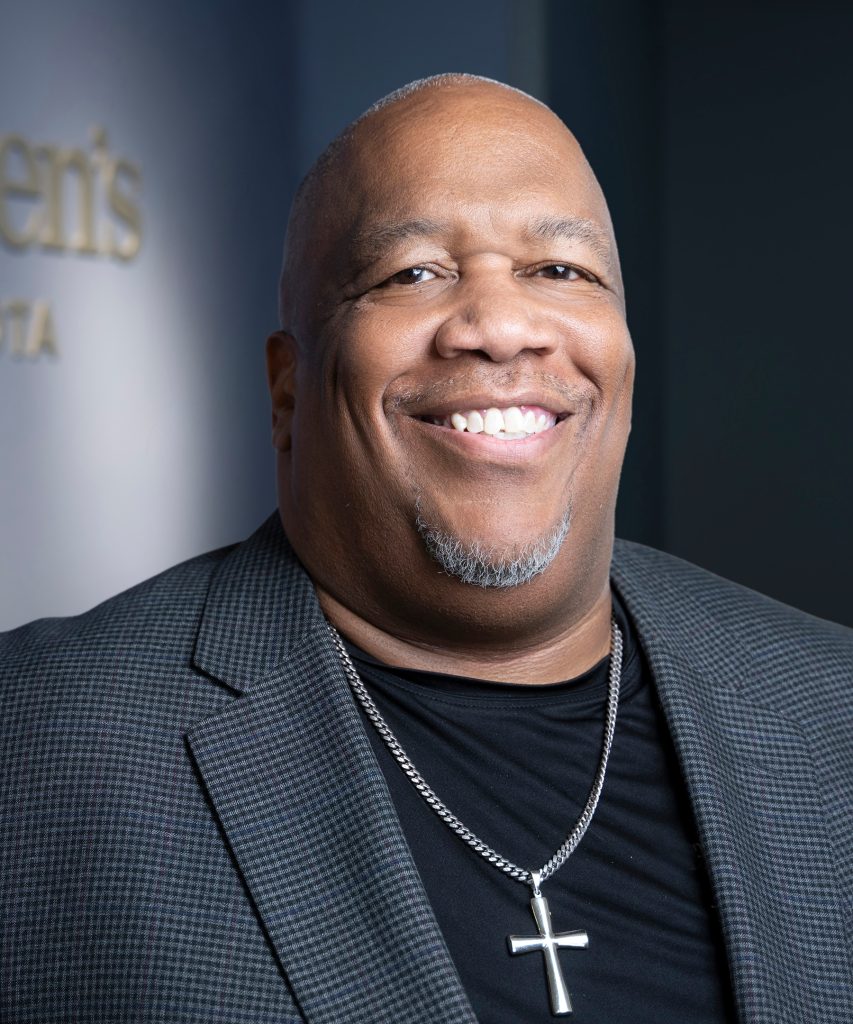
James Burroughs
Senior vice president, government and community relations, chief equity and inclusion officer
James Burroughs joined Children’s Minnesota as its first chief equity and inclusion officer in 2019. He is responsible for advancing equity and inclusion in all parts of the organization.
Follow James on LinkedIn.