

Keisha Powell knows what it’s like to feel different. She has turned that experience into building a culture at Children’s Minnesota where people don’t have to hide parts of themselves to belong.
Keisha is our director of equity and inclusion. Her work reflects something I believe strongly: equity and inclusion are not separate from our mission. They are part of how we care for children, families and each other.
For this blog, I asked Keisha to share what brought her to her work, why equity and inclusion matter in healthcare and what gives her hope for the future.
Who is Keisha Powell?
Keisha Powell: I am the director of equity and inclusion at Children’s Minnesota, where I have the privilege of helping create an environment where every employee, patient and family feels they belong and can thrive.
As a Tennessee native who grew up in Minnesota and attended the University of Minnesota, I experienced firsthand how navigating environments where you feel different can influence how you show up, sometimes leading you to adapt parts of yourself to fit in. Those experiences fueled my passion for creating more inclusive spaces and inspired me to be the change I wanted to see by using my position to open doors for others.
At my core, I am a relationship builder, a servant leader and someone who believes lasting change happens when we bring people together around a shared purpose.

Why is the work of equity and inclusion important to you?
Keisha Powell: I have seen firsthand how opportunities, support and a sense of inclusion can transform lives. Over the years, Children’s Minnesota employees have consistently told us that their involvement in our employee resource groups (ERGs) provides a sense of community, professional growth and belonging that keeps them engaged and connected to the organization.
While ERG leaders often have competing workload demands and limited formal recognition, their contributions continue to strengthen retention, build leadership capacity and create a culture where employees feel valued and empowered to bring their authentic selves to work. I recently received this feedback from an ERG leader: “It is truly energizing and rewarding to be part of something I am passionate about. I’m looking forward to the future and seeing how we can grow as a resource and support for Children’s employees.”
In a time when there is pushback against diversity, equity and inclusion, what has kept you pushing forward?
Keisha Powell: Every day, I see the impact that inclusive practices have on employees, patients, families and communities. Whether it’s a patient expressing gratitude because their provider looks like them or understands their cultural experience, or a colleague feeling valued because someone took the time to learn who they are beyond the work they do, these moments demonstrate the power of inclusion. Inclusion is ultimately about helping people feel seen, heard and valued, and those experiences can have a lasting impact on trust, engagement and well-being. My commitment has always been rooted in people, not politics.
You also focus on workforce development and creating opportunities for underrepresented individuals. What does workforce development mean and why is it important?
Keisha Powell: Workforce development is about helping people gain access to meaningful careers and the skills they need to succeed and grow. It means creating pathways for people who may not have traditionally had access to certain opportunities and ensuring they are supported once they enter the workforce. Talent exists everywhere, but opportunity does not. Workforce development helps close that gap and creates stronger organizations and communities.
How does hiring and retaining a workforce that reflects the patients and families we serve improve care?
Keisha Powell: A diverse workforce brings a broader range of experiences and perspectives that help us better understand the unique needs of the children and families we serve. Research shows that when patients feel understood and represented, it can strengthen trust, communication and overall satisfaction with their care. With a workforce that reflects our communities, we are better positioned to provide compassionate, culturally responsive care for every family.
What does inclusive leadership look like?
Keisha Powell: An inclusive leader is someone who actively seeks out diverse perspectives, creates space for all voices to be heard and ensures people feel valued and respected. Inclusive leaders are curious, humble and willing to learn from others. This type of leadership helps unlock innovation and strengthen teamwork. It also creates a culture where people feel empowered to contribute their best ideas and talents.
What is equity coaching and how does it affect patient care?
Keisha Powell: In healthcare, equity coaching helps leaders and teams better understand the diverse experiences of patients and families, leading to more thoughtful decisions about how care is designed and delivered. This can include improving access to interpreters and multilingual resources, reducing barriers to care and creating more culturally responsive patient experiences. Together, these efforts help build trust, strengthen engagement and improve outcomes for the communities we serve.
If you could give one piece of advice to leaders who want to create more inclusive teams, what would it be?
Keisha Powell: Start by listening with curiosity and humility. Creating an inclusive team does not begin with having all the answers. It begins with understanding the experiences and perspectives of the people around you. When leaders genuinely listen and act on what they learn, they build trust, strengthen relationships and create a culture where everyone can contribute and succeed.
You have shared Children’s Minnesota’s equity and inclusion work at national conferences. What do you hope other organizations learn from our approach?
Keisha Powell: I hope organizations see that equity and inclusion are most impactful when they are embedded into everyday operations rather than treated as separate initiatives. At Children’s Minnesota, our work is strengthened through collaboration and shared accountability across the organization. Sustainable change happens when equity becomes part of how decisions are made, how leaders lead and how teams work together to achieve their goals.
What are you most proud of from your time so far at Children’s Minnesota?
Keisha Powell: What makes me most proud is seeing the collective impact of our work. Whether it’s helping create leadership development opportunities, expanding workforce pathways, supporting employee resource groups, or partnering with teams across the organization, I am proud of the progress we have made together. The most meaningful accomplishments are those that create lasting opportunities for others and help strengthen our culture for years to come.
What gives you hope about the future of equity and inclusion work, even when the broader environment feels challenging?
Keisha Powell: What gives me hope is the people. Every day I meet leaders, employees, community partners and young professionals who are committed to creating a better future. I see individuals asking thoughtful questions, seeking to understand different perspectives and taking action to make positive change. While the conversation around equity and inclusion may evolve, the values of respect, inclusion, fairness and opportunity continue to resonate with people across all backgrounds.
What would you want young people to know about finding their path into healthcare or leadership?
Keisha Powell: You do not need to have your entire career mapped out from the beginning. Be open to learning, stay curious and embrace opportunities that help you grow. Some of the most valuable experiences come from taking chances, building relationships and being willing to step outside your comfort zone. Most importantly, remember that your unique experiences, perspectives and story are strengths. Healthcare and leadership need people who bring different viewpoints and who are committed to making a positive difference in the lives of others.
If there’s one thing I’ve learned throughout my career, it’s that meaningful change happens through relationships. When we listen to one another, learn from different experiences and work together toward a common purpose, we create stronger workplaces, healthier communities and better outcomes for the children and families we serve. That belief continues to inspire me every day.
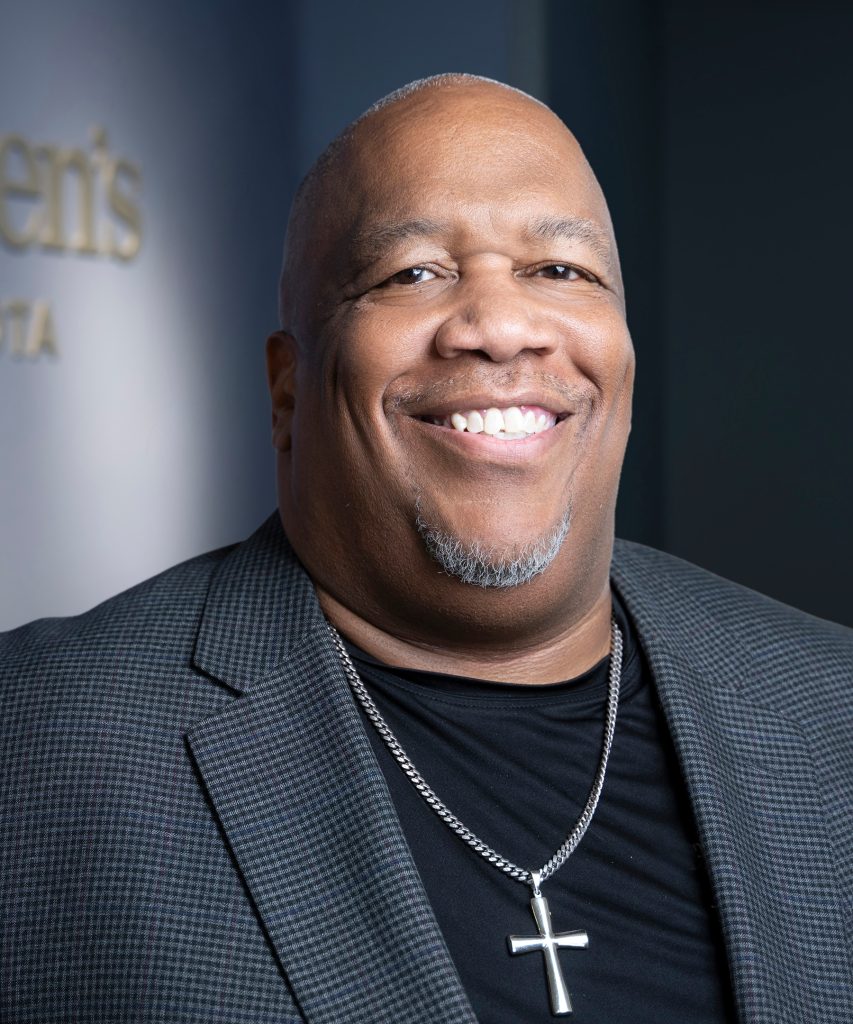
James Burroughs
Senior vice president, government and community relations, chief equity and inclusion officer
James Burroughs joined Children’s Minnesota as its first chief equity and inclusion officer in 2019. He is responsible for advancing equity and inclusion in all parts of the organization.
Follow James on LinkedIn.